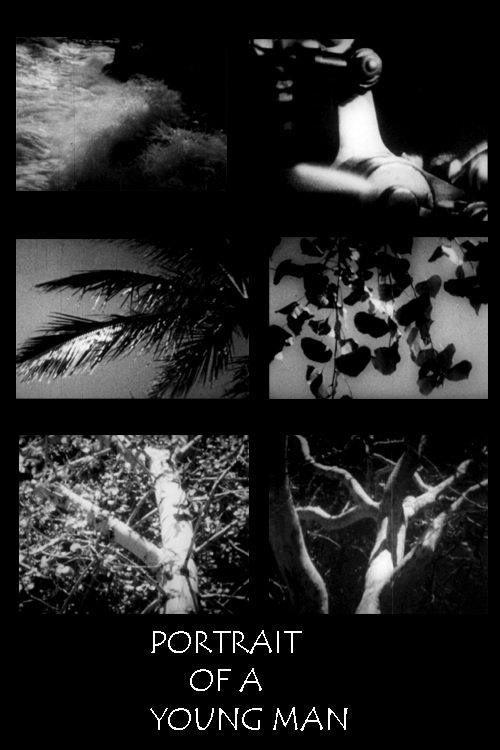
Portrait of a Young Man in Three Movements
1931
No user ratings available yet
Representation score: 3.3 out of 10
No Poster Available
Representation Score
Limited
1929
Director
Henri Storck
Runtime
14 minutes
Average Rating
No ratings yetNew Showbiz Analysis
Images d'Ostende is a sensory exploration of the Belgian seaside that emphasizes elemental forces over traditional storytelling. Though it lacks character depth, it serves as a social document of its era. The film's strength lies in its early focus on class disparity. By contrasting the leisure of the wealthy with the labor of workers, Storck moves the medium towards social observation rather than mere entertainment. However, the work is limited by the historical context of 1929. The homogeneous population and traditional gender roles depicted reflect the period's social structures rather than a diverse representation.
Category Breakdown
The film observes the Belgian coast without dialogue or character-driven stories, showing no indication of LGBTQ+ identities.
Women are shown in the daily routines of the 1920s seaside community. The film reflects the social norms of the time without challenging gender roles.
The documentary captures the homogeneous population of the Belgian coast in 1929. The visuals focus solely on the local community and the natural surroundings.
Storck uses a proto-sociological approach to contrast the leisure of the upper class with the labor of workers. This creates a visual commentary on class struggle and economic disparity.
The film highlights the movement of the sea and the collective labor of the community. There is no specific depiction of individual disabilities.
Present on Screen
Limited or Absent
Official Synopsis
Structured in visual chapters: the port, anchors, the wind, the spray, the dunes, the North Sea… A series of images that need no anecdote or explanation. Storck offers a glimpse of Ostend, aspects that order its multiple constitutive elements; The water, the sand, the waves, vital cinematic language displayed in simple pictures. A poetic and kinetic shock, without fiction or sound, which relieves film from its narrative obligation and restores it to the world of sensations that it can alone carry.
1931
1929
1929

1927
1942
1969
1947
1929
No reviews yet. Be the first to share your thoughts on this movie!
Use the rating form above to leave a star rating and optional review.