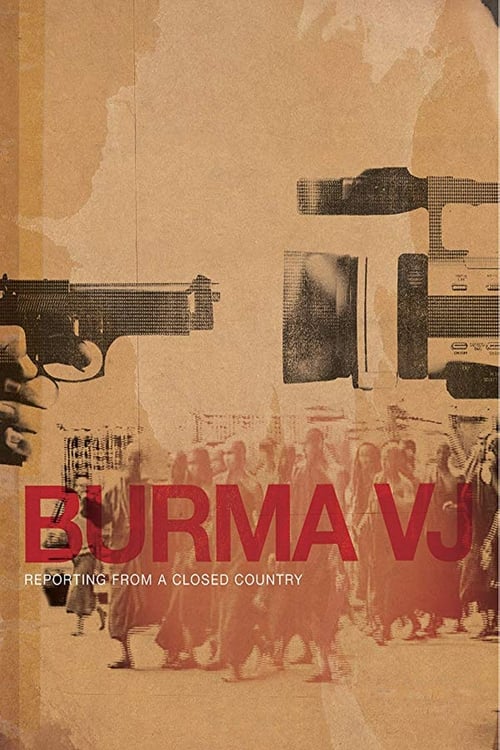
Burma VJ: Reporting from a Closed Country
2008
No user ratings available yet
Diversity score: 5.7 out of 10

2014
Director
Jacqui Morris, David Morris
Runtime
99 minutes
Average Rating
No ratings yetSynopsis
Before the internet. Before social media. Before breaking news. The victims of Thalidomide had to rely on something even more extraordinary to fight their corner: Investigative journalism. This is the story of how Harold Evans fought and won the battle of his and many other lives.
Overall Score
Fair
Category Breakdown
LGBTQ+ Representation
The film does not center LGBTQ+ identities or non-cisnormative narratives. It focuses on historical trauma without engaging with queer theory or subverting heteronormative structures.
Gender Representation
The narrative centers on the professional agency of Harold Evans and male-dominated journalism. It does not actively seek to subvert traditional gender hierarchies or deconstruct masculinity.
Racial & Ethnic Diversity
The documentary provides significant depth to Jewish identity by centering Holocaust survivors. This focus disrupts Anglo-centric perspectives by prioritizing the narratives of those targeted by systemic ethnic cleansing.
Religious & Cultural Diversity
The film explores how legal and political systems struggle to address genocide. It critiques the historical inability of Western institutions to provide closure for victims of systemic failure.
Disability Representation
A major thematic pillar involves the victims of the Thalidomide tragedy. The film grants agency to these individuals, framing their struggle as a fight for legal and social accountability.
Strengths
Areas for Improvement
AI Analysis
Attacking the Devil succeeds in amplifying the voices of historically marginalized groups through the lens of investigative journalism. By centering Holocaust survivors and Thalidomide victims, the film moves beyond simple moral binaries to explore systemic injustice. However, the documentary remains tethered to the professional spheres of mid-20th-century men. The focus on Harold Evans and the legal proceedings reflects the era's gendered structures without attempting to deconstruct them. Ultimately, the film's strength lies in its commitment to ethnic identity and disability agency. It avoids superficial tropes, instead providing a nuanced look at the pursuit of justice for those impacted by systemic failures.
2008
2011
1997
2014
1989
2018
2016
2010
2012

2004
2016
2014
No reviews yet. Be the first to share your thoughts on this movie!
Use the rating form above to leave a star rating and optional review.