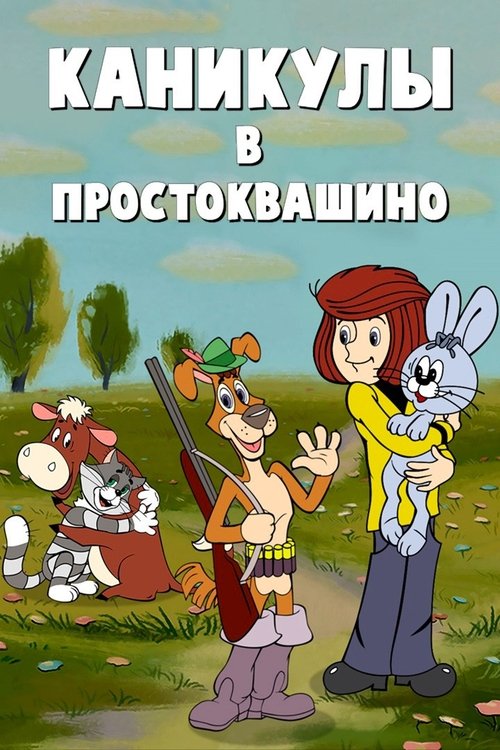
Vacations in Prostokvashino
1980
No user ratings available yet
Representation score: 2.6 out of 10

Representation Score
Limited
1984
Director
Vladimir Popov
Runtime
16 minutes
Average Rating
No ratings yetNew Showbiz Analysis
Winter in Prostokvashino is a work of domestic realism that prioritizes localized, communal identity over diverse representation. It functions as a culturally specific product of its Soviet era, focusing on character-driven storytelling rather than identity-driven themes. The film's primary strength lies in its departure from traditional family structures, specifically the portrayal of a child-led household. This unique social structure bypasses conventional patriarchal hierarchies. However, the film lacks demographic diversity. The homogeneity of the setting and the absence of diverse identities or disability representation prevent a more progressive score.
Category Breakdown
The film does not include any LGBTQ+ characters or non-straight relationships. The story centers on the interactions within the main trio and the village community.
The story disrupts traditional gender roles by focusing on a child-led household. However, the lack of female characters limits the exploration of gender dynamics.
The setting is a homogeneous Soviet rural environment. The cast includes human characters and anthropomorphic animals, all from a single ethnic background.
The film challenges the traditional nuclear family model by depicting an autonomous child managing a household. It emphasizes secularism and communal, rural independence.
There are no prominent depictions of physical or neurodivergent disabilities. Characters are shown as able-bodied participants within their environment.
Present on Screen
Limited or Absent
Official Synopsis
A third movie about Fyodor and his friends from the Prostokvashino village and their adventures - this time during the winter.
1980
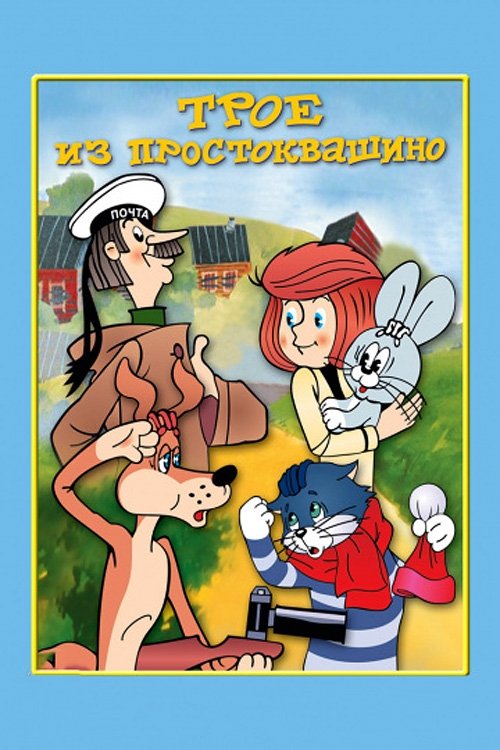
1978
1958
1969

2015

2022
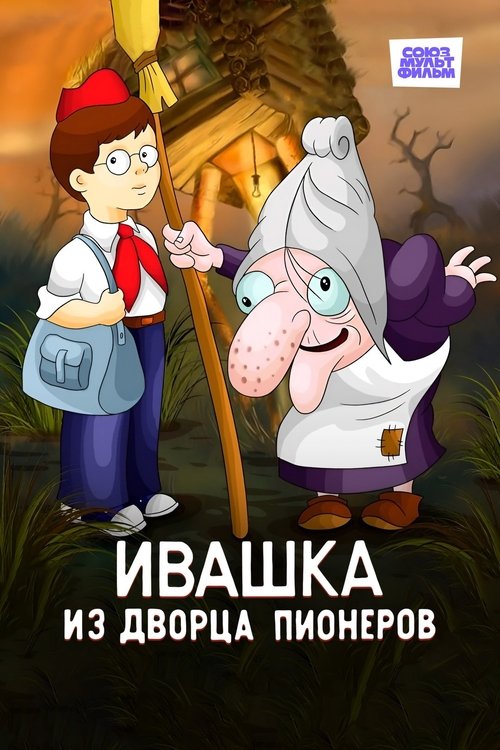
1981

1981
No reviews yet. Be the first to share your thoughts on this movie!
Use the rating form above to leave a star rating and optional review.