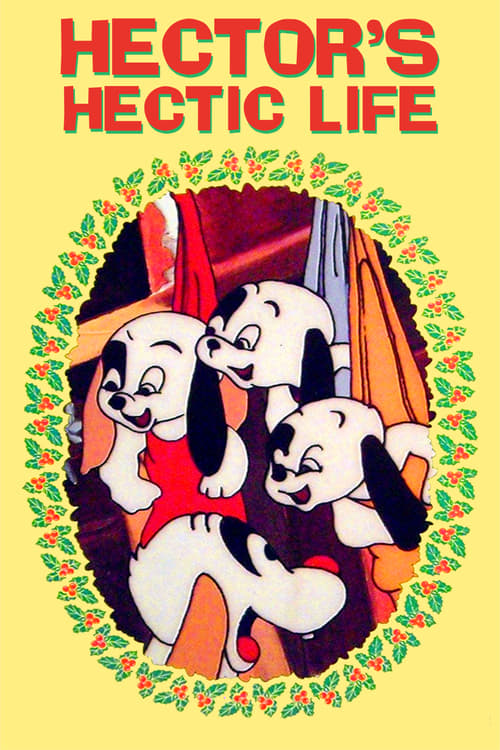
Hector's Hectic Life
1948
No user ratings available yet
Representation score: 0.3 out of 10
No Poster Available
Representation Score
Minimal
1949
ApprovedDirector
Eddie Donnelly
Runtime
6 minutes
Average Rating
No ratings yetNew Showbiz Analysis
The Kitten Sitter is a product of its 1949 era, relying heavily on conventional comedic clichés and traditional domestic structures. The narrative prioritizes slapstick humor and established social hierarchies over any meaningful complexity in representation. The film focuses on a standard family unit and anthropomorphic animals that do not reflect diverse human identities. Character dynamics reinforce mid-century norms rather than challenging them. Ultimately, the film serves as a typical period animation, using character traits like Fido's perceived incompetence for laughs without engaging in social or cultural critique.
Category Breakdown
The film does not depict any non-binary gender identities or same-sex relationships. The story focuses on a traditional family dynamic with a mother cat and her kittens.
Gender roles in the film follow mid-century stereotypes, featuring a nurturing mother cat and an incompetent male dog named Fido. Slapstick humor is used to undermine the male character's role rather than providing a deeper critique.
The cast of anthropomorphic animals exists in a homogeneous domestic environment. There is no indication of diverse ethnic identities or racial blending among the animal characters.
The narrative emphasizes traditional social hierarchies and the stability of the family unit. Institutions like the dog pound are treated as comedic obstacles rather than subjects of systemic critique.
No characters are shown with neurodivergence or physical disabilities. Fido’s 'dumb-but-faithful' nature may be used as a comedic device without addressing any deeper issues.
Present on Screen
Limited or Absent
Official Synopsis
Fido, a dumb-but-faithful dog, agrees to kitten-sit while Mother Cat is out of the house but she is barely gone before the high-strung kittens lead poor Fido on a merry chase. Fido ends up in the dog-pound slammer and the kittens manage his escape, only to land him into trouble again. Mama Cat gets home and, unaware of the bad day Fido has gone through, tells him he can have a steady job of minding her kittens.
1948
1942
1952
1938

1935

1952
1952
1939
No reviews yet. Be the first to share your thoughts on this movie!
Use the rating form above to leave a star rating and optional review.