
Love and Larceny
1960
No user ratings available yet
Diversity score: 4.1 out of 10

1961
Director
Dino Risi
Runtime
97 minutes
Average Rating
No ratings yetSynopsis
The movie is about the celebrated trial of Olga Duvovich, very beautiful woman accused of killing her husband, a wealthy financier.
Overall Score
Limited
Category Breakdown
LGBTQ+ Representation
The film adheres to mid-century social constraints, focusing on heteronormative maneuvering. There are no depictions of non-cisnormative identities or same-sex intimacy within the narrative framework.
Gender Representation
While Olga Duvovich is a central figure, the narrative lens remains focused on male camaraderie. Women often serve as catalysts for male anxiety rather than possessing independent agency.
Racial & Ethnic Diversity
The cast and setting are largely homogeneous, reflecting the era's lack of ethnic diversity. The story remains centered on a culturally specific, European social stratum.
Religious & Cultural Diversity
The film offers a sharp satirical critique of post-war consumerism. It lampoons the status-driven middle class to expose the moral vacuum and hypocrisy of the era.
Disability Representation
The narrative focuses on the psychological neuroses of the able-bodied bourgeoisie. There is no significant evidence of characters with disabilities driving the plot.
Strengths
Areas for Improvement
AI Analysis
Dino Risi’s satire excels at deconstructing the social facades of the Italian bourgeoisie. By lampooning the moral decay of the post-war economic miracle, the film successfully critiques the hypocrisy of traditional capitalist structures and class-based etiquette. However, the film lacks modern intersectional representation. It operates within a narrow, homogeneous framework that offers little visibility for racial, ethnic, or LGBTQ+ identities, reflecting the social limitations of 1961. Ultimately, the work functions as a period-specific social critique rather than a vehicle for progressive identity politics, prioritizing class satire over diverse character perspectives.
1960
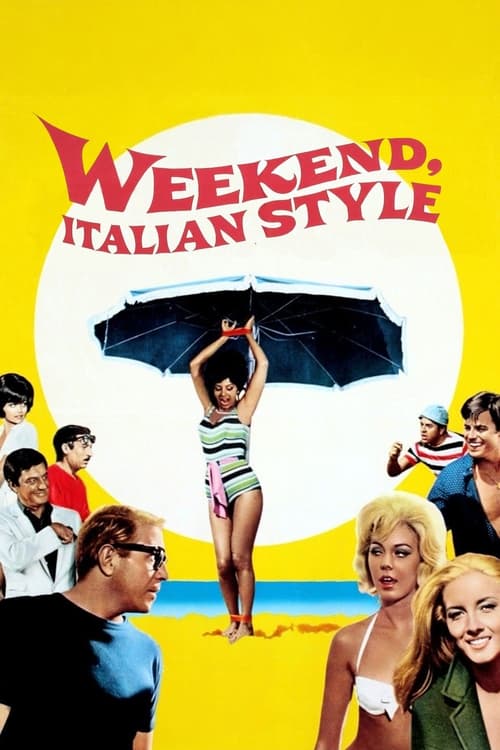
1965
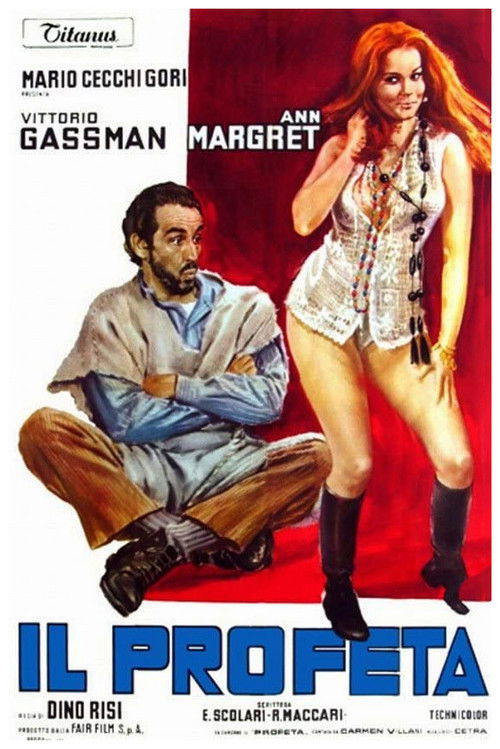
1968
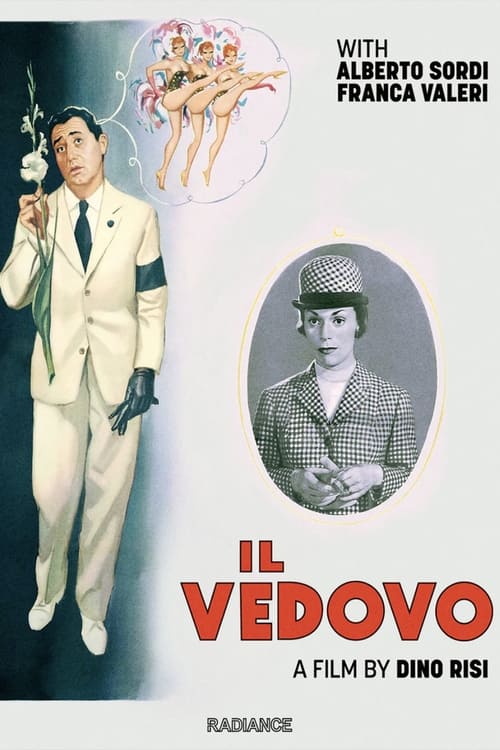
1959
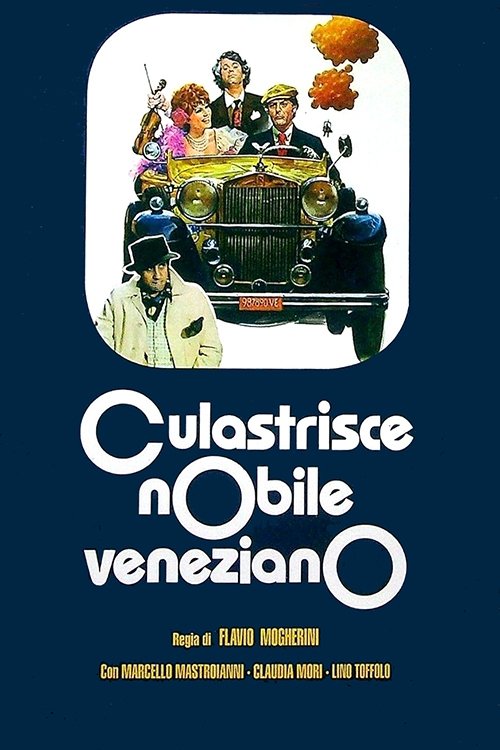
1976
1955
1971
1976
1963

1973
1987
1951
No reviews yet. Be the first to share your thoughts on this movie!
Use the rating form above to leave a star rating and optional review.