
Three Make a Pair
1957
No user ratings available yet
Representation score: 1.6 out of 10
Representation Score
Limited
1951
Not RatedDirector
Sacha Guitry
Runtime
85 minutes
Average Rating
No ratings yetNew Showbiz Analysis
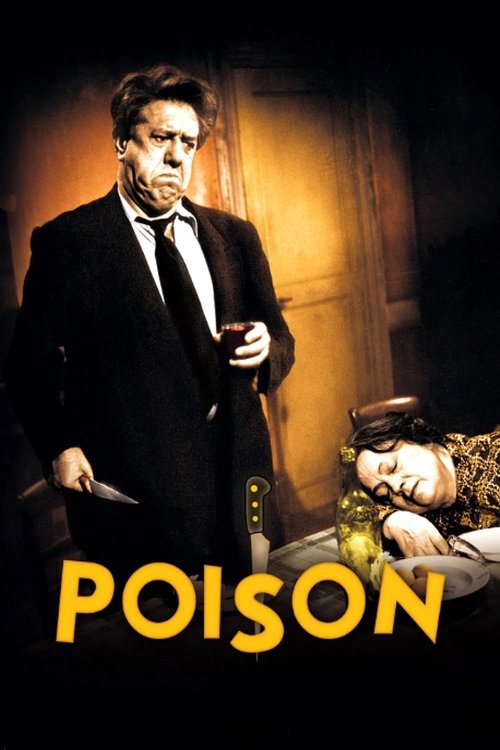
Sacha Guitry’s *Poison* is a period-specific character study that emphasizes stylistic wit and interpersonal deception over diverse representation. The film focuses on the power dynamics between a husband and wife. While the narrative uses moral relativism to challenge conventional strict Christian morality through witty dialogue, it does not have the structure to question traditional hierarchies. The storytelling is confined to the social norms of 1951 France. Overall, the film reflects the demographic and social limitations of its era, offering limited engagement with diverse identities or systemic critiques.
Category Breakdown
The film does not include any LGBTQ+ characters or explore non-traditional gender identities. It focuses solely on heterosexual relationships.
The movie uses a 'battle of the sexes' theme typical of its time. While the female lead, Blandine, plays a significant role in the central conflict, the film adheres to mid-century social norms.
The cast is uniform, reflecting the demographics of its historical setting. There are no non-white characters or racial diversity.
The film uses moral relativism to depict deception as a form of wit rather than wrongdoing. However, it stays within established social and legal frameworks without broader institutional critique.
There are no visible or invisible disabilities shown in the main character arcs.
Present on Screen
Limited or Absent
Official Synopsis
Paul Braconnier and his wife Blandine only have one thing in mind: to find a way to kill each other without risk. After listening to a radio show, Paul decides to go to Paris to meet a famous lawyer in the acquittal of the murderers. He tells the lawyer that he killed his wife. The lawyer asks Paul to reconstruct the circumstances of the drama. Without knowing it, he explains, in spite of himself, the way for Paul to murder his wife by putting the odds on his side to avoid death penalty or even be released...
1957
1961
1993

1955
1957
1949
1936

1982
No reviews yet. Be the first to share your thoughts on this movie!
Use the rating form above to leave a star rating and optional review.