
I'm Photogenic
1980
No user ratings available yet
Diversity score: 3.1 out of 10
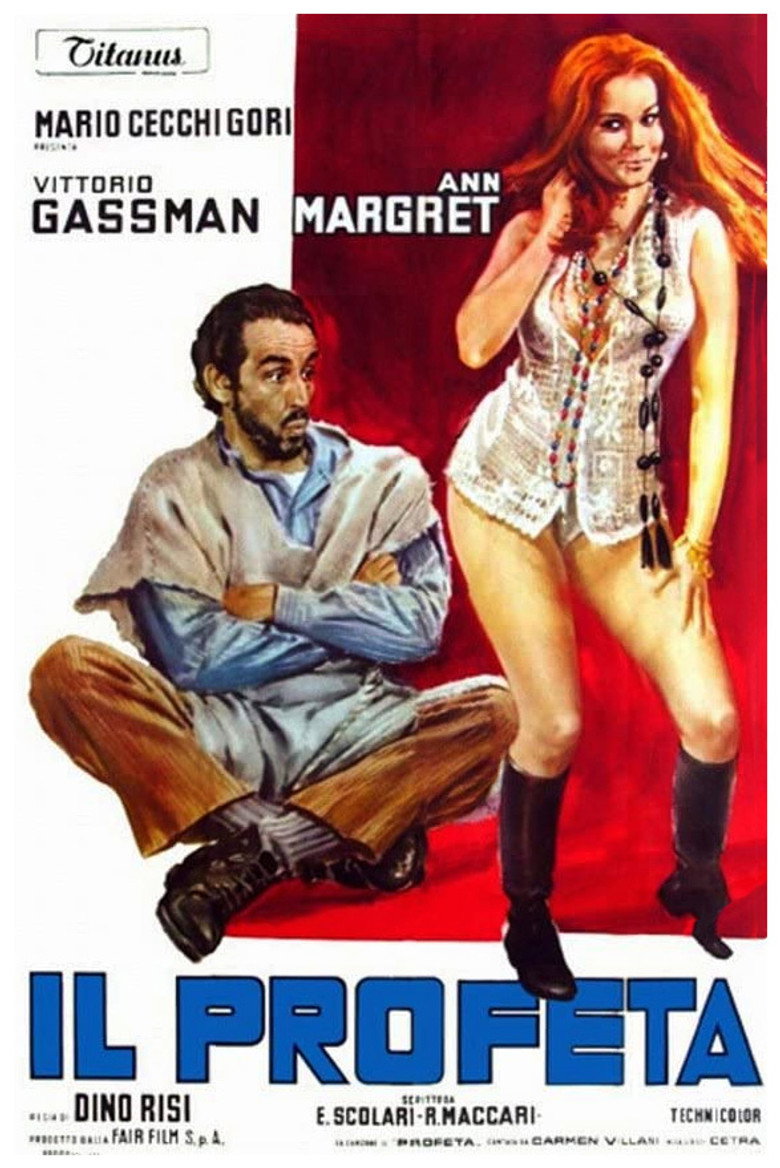
1968
Director
Dino Risi
Runtime
93 minutes
Average Rating
No ratings yetSynopsis
In this comedy, a guru’s groupie plans to seduce him so she can number him among her many conquests.
Overall Score
Limited
Category Breakdown
LGBTQ+ Representation
The film operates within a traditional heteronormative framework. There is no evidence of non-cisnormative identities or narratives that actively critique conventional gender roles.
Gender Representation
While the female lead shows agency through her pursuit of sexual conquest, the power dynamics largely reflect the era's traditional patriarchal hierarchies.
Racial & Ethnic Diversity
The production reflects the demographic homogeneity of mid-century Italy. There is no evidence of significant racial or ethnic diversity within the cast.
Religious & Cultural Diversity
The narrative critiques the performative nature of spirituality and authority. However, it lacks systemic critiques, focusing instead on the interpersonal complexities of Italian social life.
Disability Representation
There is no discernible focus on characters with visible or invisible disabilities within the film's narrative.
Strengths
Areas for Improvement
AI Analysis
Dino Risi’s comedy serves as a cynical dissection of the Italian bourgeoisie rather than a vehicle for progressive identity politics. The film prioritizes the deconstruction of individual hypocrisy and social pretension over intersectional representation. The narrative remains anchored in the demographic and social hierarchies of 1960s Italy. While it explores the friction between individual impulse and social expectation, it does not challenge the era's underlying systemic structures. Ultimately, the film is a period-specific social study that favors character-driven satire over the inclusion of diverse or marginalized identities.
1980

1960

1958
1969
1969

1976

1975

1970
1955

1969

1972
1970
No reviews yet. Be the first to share your thoughts on this movie!
Use the rating form above to leave a star rating and optional review.