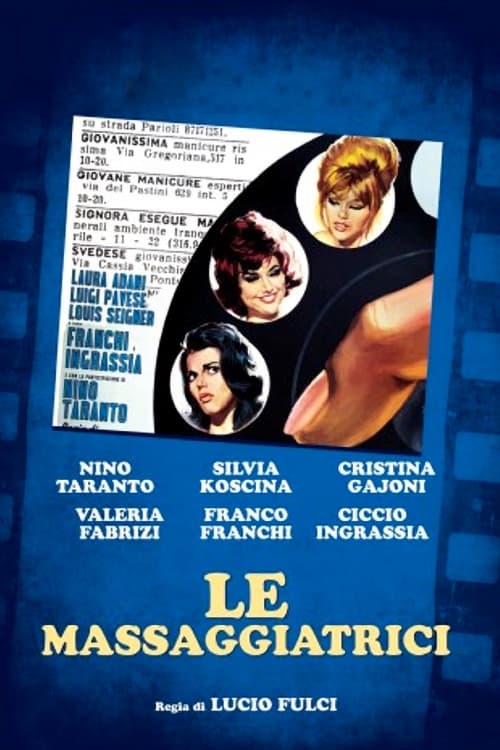
The Masseuses
1962
No user ratings available yet
Representation score: 2.8 out of 10
Representation Score
Fair
1963
Director
Lucio Fulci
Runtime
85 minutes
Average Rating
No ratings yetNew Showbiz Analysis
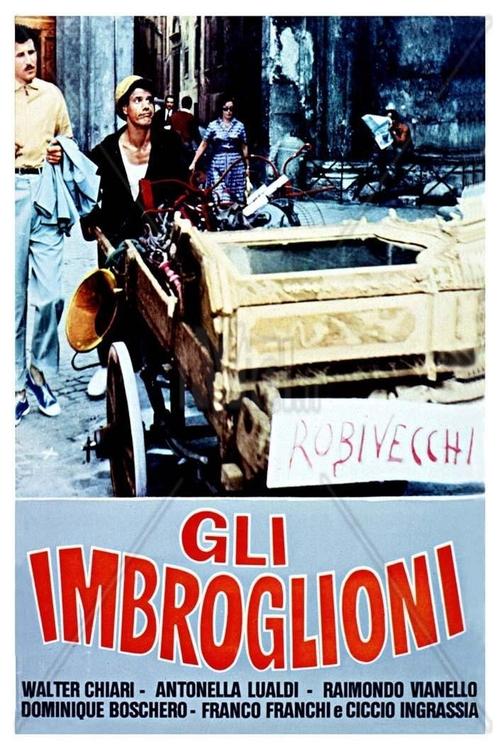
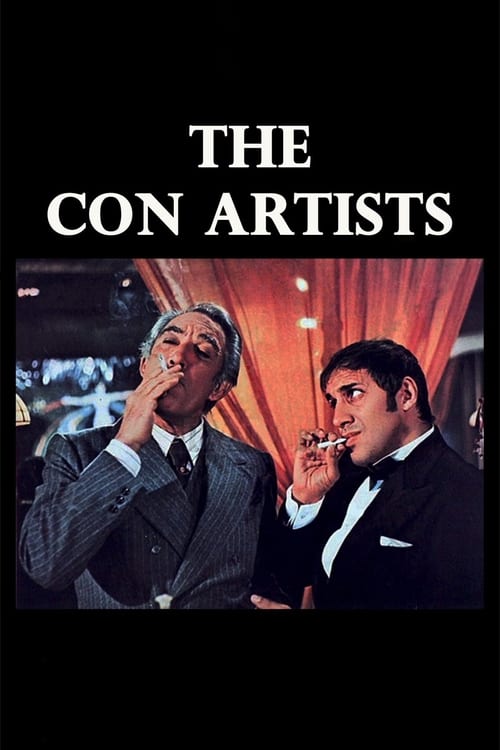
The Swindlers operates as a social satire within the commedia all'italiana tradition. Its value lies in its cynical deconstruction of authority and morality rather than demographic variety. The film treats deception as a professional craft, disrupting clear-cut moral hierarchies. However, the work remains limited by the era's social constraints. It relies on localized, traditional archetypes that lack depth in representing multiple aspects of identity. The focus on specific regional identities and male-dominated spheres results in a narrow representational scope. Ultimately, the film prioritizes situational ethics and institutional critique over diverse casting. While it challenges moral absolutism, it does not provide significant representation for underrepresented identities or non-traditional social roles.
Category Breakdown
The film does not include any identifiable LGBTQ+ characters or non-straight relationships. It focuses on traditional 1960s Italian social structures and established archetypes.
The narrative centers on male-dominated criminal and social circles. Nuns appear in the tribunal but represent traditional religious roles rather than challenging gender hierarchies.
The film is set in a specific region of Italy, featuring Sicilian characters. It lacks broader racial or ethnic diversity, reflecting the homogeneous demographics of the time.
The film critiques institutional integrity through moral relativism. By portraying con artists humorously, it challenges strictly condemnatory religious or state-sanctioned morality.
There is no evidence of characters with visible or invisible disabilities being given significant roles. Disability is not a central part of the character arcs or thematic exploration.
Present on Screen
Limited or Absent
Official Synopsis
A day in a tribunal where the defendants are: the manager of a soccer team, charged with bribery, two Sicilians who have sold fake archaeological findings, two nuns who have offended a public servant and an industry manager.
1962
1976
1976
1971
1962

1954
1970
1959
No reviews yet. Be the first to share your thoughts on this movie!
Use the rating form above to leave a star rating and optional review.