
The Yes Man
1991
No user ratings available yet
Diversity score: 4.3 out of 10
1953
Director
Steno, Mario Monicelli
Runtime
95 minutes
Average Rating
No ratings yetSynopsis
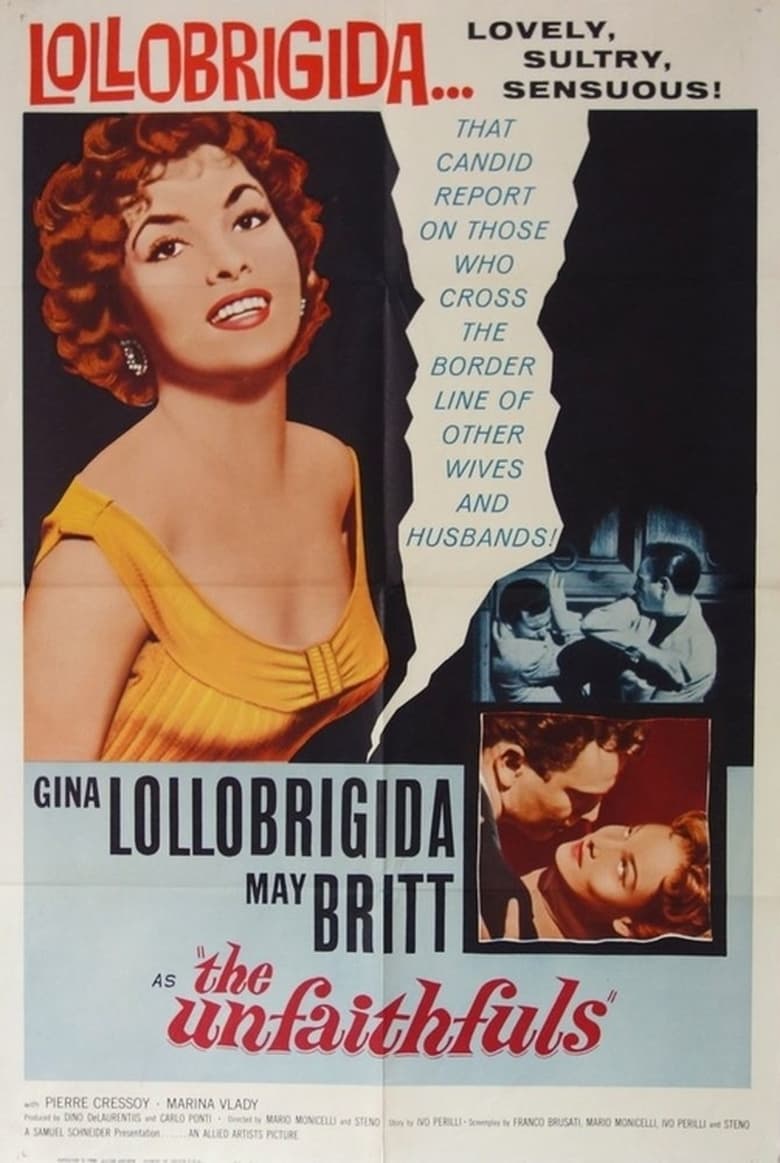
A group of "respectable" people are all partly responsible for the suicide of a servant girl. They are pounced upon by a wily blackmailer, who knows that these people will pay dearly rather than inform on themselves or others.
Overall Score
Limited
Category Breakdown
LGBTQ+ Representation
The film lacks any evidence of non-heteronormative identities. The narrative focus remains strictly on the social dynamics of the respectable class.
Gender Representation
A female servant's tragedy drives the plot, yet the story centers on class power dynamics. The portrayal of the respectable characters undermines traditional masculine archetypes of integrity.
Racial & Ethnic Diversity
The synopsis does not indicate a diverse cast. The narrative prioritizes class-based distinctions over racial ones, reflecting the era's typical cinematic focus.
Religious & Cultural Diversity
The film offers a sharp critique of bourgeois social institutions. It uses a blackmailer to dismantle the facades of established social and capitalist hierarchies.
Disability Representation
There is no information regarding the depiction of physical or neurodivergent disabilities within the film.
Strengths
Areas for Improvement
AI Analysis
The Unfaithfuls serves as a biting social critique of class hypocrisy rather than a showcase for demographic diversity. It succeeds by deconstructing the moral authority of the bourgeoisie, using satire to expose systemic negligence. While the film lacks representation for LGBTQ+ identities, racial diversity, or disability, it finds strength in its cultural subversion. It challenges the concept of social respectability, framing it as a veneer for cowardice. Ultimately, the film's value lies in its narrative disruption of traditional hierarchies. It prioritizes a critique of institutional morality over explicit identity-based representation.
1991
1950
1954

1984
1954
1956
1953
1954

1975
1956

1936
1967
No reviews yet. Be the first to share your thoughts on this movie!
Use the rating form above to leave a star rating and optional review.