Agnes Browne
1999
No user ratings available yet
Diversity score: 3.5 out of 10
1993
PGDirector
Martha Coolidge
Runtime
114 minutes
Average Rating
No ratings yetSynopsis
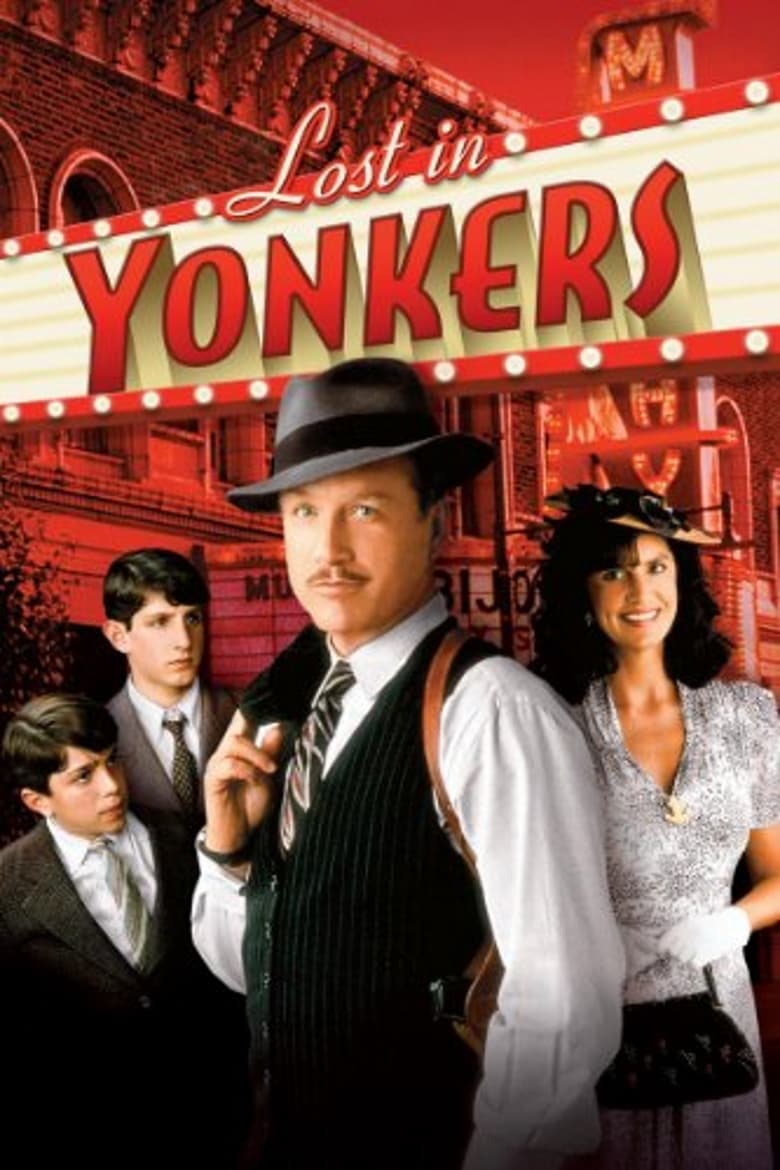
In the summer of 1942 two young boys are sent to stay with their stern grandmother Kurnitz and their childlike aunt Bella in Yonkers, New York.
Overall Score
Limited
Category Breakdown
LGBTQ+ Representation
The film focuses strictly on heteronormative family structures and traditional kinship. There is no discernible presence of queer subtext or non-cisnormative identities within the central character arcs.
Gender Representation
The narrative disrupts patriarchal hierarchies by centering conflict on a matriarchal power structure. It passes the Bechdel test through substantive dialogue between women regarding their shared domestic reality.
Racial & Ethnic Diversity
Reflecting the demographic homogeneity of 1942, the cast is predominantly white. The film does not engage with racial or ethnic diversity within its mid-century setting.
Religious & Cultural Diversity
The film critiques the traditional family unit, portraying it as a site of repression and psychological struggle. It explores the tension between familial loyalty and individual liberation.
Disability Representation
While the film explores psychological trauma and emotional volatility, it lacks explicit representation of physical or neurodivergent disabilities. Struggles are framed through relational dysfunction.
Strengths
Areas for Improvement
AI Analysis
Lost in Yonkers is a character-driven drama that finds its progressive edge by subverting traditional gendered authority. By replacing the stable patriarch with a domineering matriarch, the film deconstructs the domestic power structures of the mid-century era. However, the film lacks intersectional breadth. It remains confined to a predominantly white, heteronormative framework that reflects the social constraints of its 1942 setting rather than actively pursuing diverse representation. Ultimately, the film's value lies in its psychological depth and its critique of the idealized family model, even as it fails to include broader racial or LGBTQ+ perspectives.
1999
1974

2012
1996
1950
1992
2008

1945

2016
1952

2004

1994
No reviews yet. Be the first to share your thoughts on this movie!
Use the rating form above to leave a star rating and optional review.