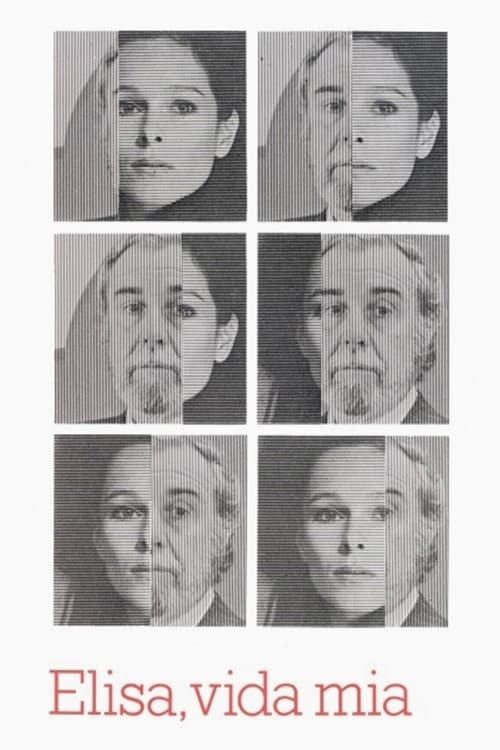
Elisa, My Life
1977
No user ratings available yet
Representation score: 7.0 out of 10

Representation Score
Fair
1992
Director
Pupi Avati
Runtime
92 minutes
Average Rating
No ratings yetNew Showbiz Analysis
Pupi Avati’s drama is a character-driven study of psychological intimacy and the fragility of the nuclear family. It prioritizes the emotional repercussions of betrayal over systemic social commentary or characters who reflect more than one aspect of diversity. The film adheres to conventional social structures, focusing on the trauma of a wife discovering her husband's infidelity. While the protagonist shows individual ability to act in her response to this crisis, the narrative lacks intentionality in disrupting demographic hierarchies. Ultimately, the work is a localized, traditional drama. It explores interpersonal morality and the weight of history within a homogeneous setting, offering little in the way of diverse or non-normative perspectives.
Category Breakdown
The film operates within a framework that assumes everyone is straight and cisgender. There are no visible queer narratives in the plot, which centers on marital infidelity and the dissolution of a traditional nuclear family.
Gloria demonstrates a significant role in driving the story by choosing to relocate her children after her husband's betrayal. However, the drama remains anchored in the fallout of patriarchal infidelity rather than challenging traditional gender hierarchies.
The cast and setting reflect a homogeneous ethnic background. The story focuses on a specific Italian and American context without including actors from diverse racial backgrounds.
The narrative functions as a character study of emotional repression and familial secrets. It examines the breakdown of Western domestic institutions without offering a systemic critique of religion.
Francesco’s shyness and emotional complexes are central to his character development. These psychological struggles are treated as personal traits rather than an exploration of disability or ableism.
Present on Screen
Limited or Absent
Official Synopsis
After twenty years of marriage, Gloria discovers that her husband has been cheating on her. It' a terrible trauma and she decides to stay with her sister in USA in St. Louis. She takes with her Matteo and Francesco, her two sons. Matteo wastes no time in settling into his new life, but Francesco find it more difficult, being shy and full of complexes.
1977

1950

2020

1980

2010

1999

1998

2022
No reviews yet. Be the first to share your thoughts on this movie!
Use the rating form above to leave a star rating and optional review.