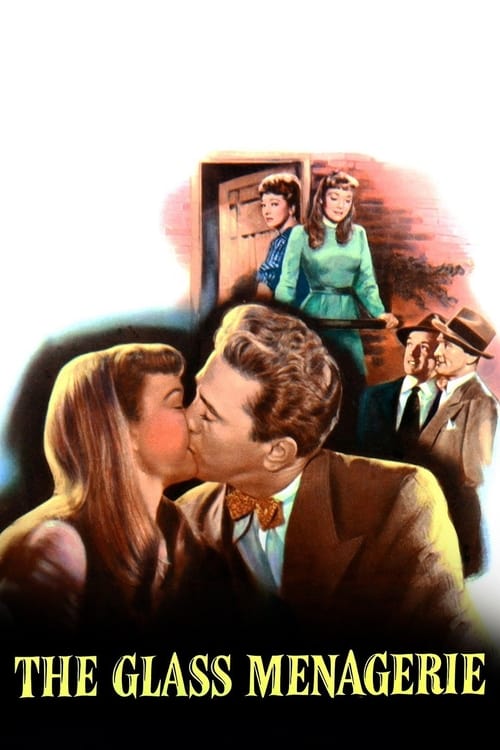
The Glass Menagerie
1950
No user ratings available yet
Representation score: 3.6 out of 10
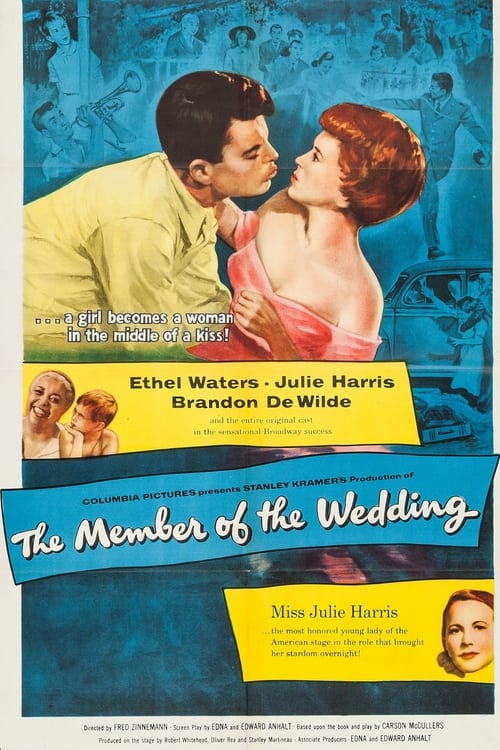
Representation Score
Limited
1952
TV-GDirector
Fred Zinnemann
Runtime
93 minutes
Average Rating
No ratings yetNew Showbiz Analysis
The film is a character-driven period piece that emphasizes psychological realism over diverse representation. It provides a focused look at adolescent loneliness within a specific historical context. While the film offers depth into the female protagonist's internal world, it closely follows the social and demographic norms of its time. It does not disrupt established cultural or systemic hierarchies. Ultimately, the work reflects the era's social constraints, offering a portrait of a specific, homogeneous social stratum without addressing broader systemic or sociopolitical issues.
Category Breakdown
The film does not depict any LGBTQ+ identities or same-sex relationships. The central plot revolves around a traditional wedding.
The story focuses on the emotional and intellectual journey of the female protagonist, Frankie Addams. It portrays her struggle as primarily psychological rather than conforming to societal norms.
The film is set in the 1940s American South and features a predominantly white cast. There are no characters of color with significant roles or ability to act.
Religion is portrayed as part of the cultural backdrop of mid-century Southern life. The protagonist's alienation is presented as adolescent eccentricity rather than a systemic rebellion against religious institutions.
The film does not feature any characters with visible or invisible disabilities. The protagonist's social detachment is treated as a typical adolescent behavior rather than a sign of neurodivergence.
Present on Screen
Limited or Absent
Official Synopsis
Tomboy, Frances 'Frankie' Addams, dreams of running away with her brother and new fiancée away from the Deep South.
1950

1961
1961

1951
1960

1950
1997
1955
No reviews yet. Be the first to share your thoughts on this movie!
Use the rating form above to leave a star rating and optional review.