Kid
2012
No user ratings available yet
Representation score: 4.2 out of 10
Representation Score
Limited
1974
GDirector
William A. Graham
Runtime
98 minutes
Average Rating
No ratings yetNew Showbiz Analysis
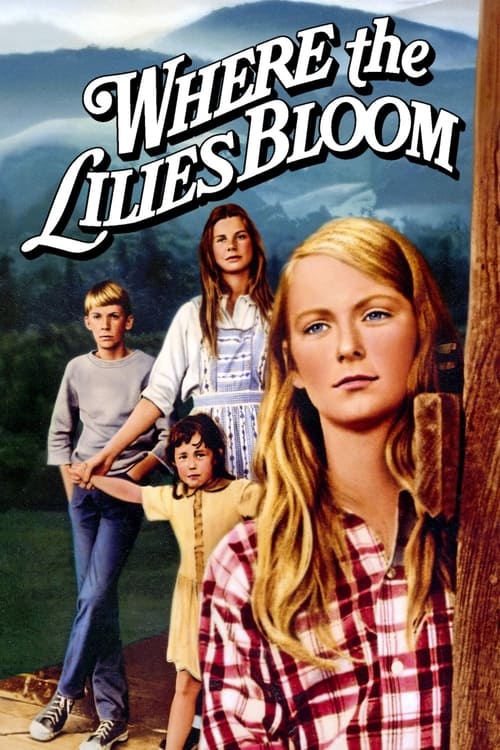
Where the Lilies Bloom is a character-driven drama that challenges the idealized domestic sphere. It replaces the traditional patriarchal structure with a fractured, female-led household navigating systemic precarity. This focus provides a moderate level of progressive value through its depiction of female resilience. However, the film lacks multi-layered breadth. The narrative remains racially homogeneous and entirely devoid of LGBTQ+ representation, adhering to the social realities of its mid-20th-century setting without challenging them. Ultimately, the film's strength lies in its deconstruction of the 'perfect' family unit. It portrays the family as a vulnerable entity under threat from the foster care system rather than a pillar of societal stability.
Category Breakdown
The film does not include any LGBTQ+ characters or identities. It operates within a framework that assumes everyone is straight or cisgender.
The story centers around female-driven dynamics and emotional resilience. By focusing on a mother and children surviving without a male figure, it challenges traditional 1970s clichés of male providers.
The production features a predominantly white cast, reflecting the historical and geographical context of rural North Carolina but does not seek to diversify the setting's homogeneity.
The narrative explores the fragility of the nuclear family against state intervention. It prioritizes emotional survival over the preservation of social decorum or institutional stability.
The film lacks overt depictions of physical or sensory disabilities. It focuses instead on psychological trauma and bereavement as drivers of the domestic plot.
Present on Screen
Limited or Absent
Official Synopsis
A family of children decide not to tell anyone their father has died, and to live on their own in the backwoods of rural North Carolina. If the state finds out they are on their own, they will be split up and sent to live in foster homes.
2012
1993

1982

2015
1984
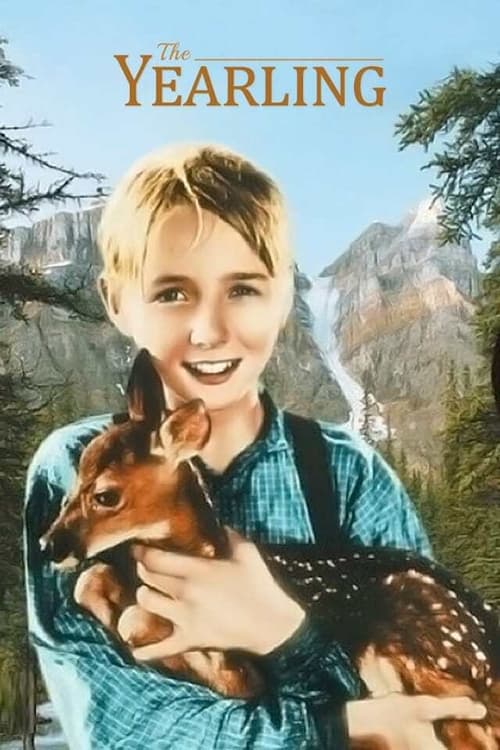
1946

1984

2017
No reviews yet. Be the first to share your thoughts on this movie!
Use the rating form above to leave a star rating and optional review.