
Brothers
2015
No user ratings available yet
Diversity score: 3.0 out of 10
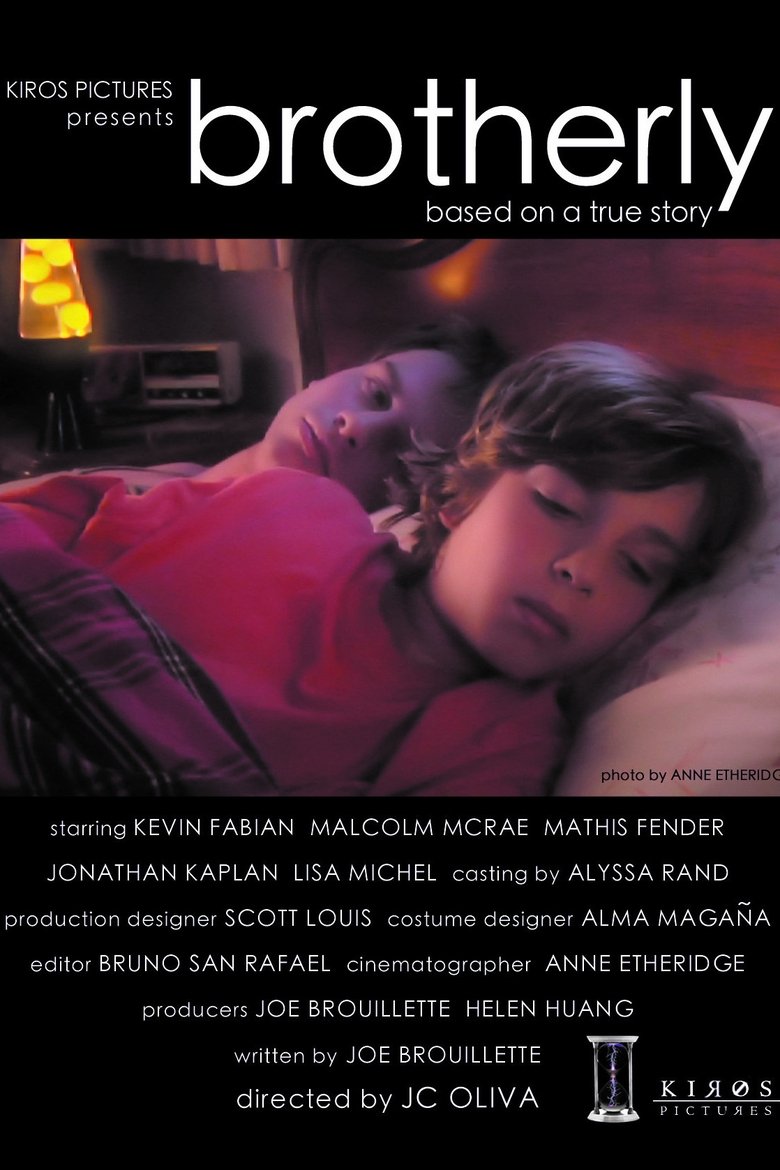
2008
Director
J.C. Oliva
Runtime
11 minutes
Average Rating
No ratings yetSynopsis
Based on a true story of two brothers in 1970's Ohio. It tells of their abandonment by their alcoholic parents and how the brothers turned to each other for support.
Overall Score
Fair
Category Breakdown
LGBTQ+ Representation
The film lacks visible inclusion of non-cisnormative identities. There is no evidence of narratives that critique heteronormativity within the primary framework.
Gender Representation
The story subverts traditional parental roles through themes of abandonment. However, it lacks depictions of women with high agency or the active dismantling of gender hierarchies.
Racial & Ethnic Diversity
The 1970s Ohio setting suggests a potentially homogeneous domestic environment. There is no evidence of high-agency characters of color or diverse racial casting.
Religious & Cultural Diversity
The narrative critiques traditional Western institutions by portraying the nuclear family as dysfunctional. It prioritizes sibling solidarity over established patriarchal structures.
Disability Representation
Alcoholism serves as a central plot driver, though it is unclear if characters possess agency regarding this condition. No neurodivergence is explicitly documented.
Strengths
Areas for Improvement
AI Analysis
Brotherly is a period-specific domestic drama that focuses on the breakdown of the nuclear family in 1970s Ohio. The film finds its strength in deconstructing the idealized household by highlighting the survival and solidarity of siblings abandoned by alcoholic parents. However, the film lacks intersectional complexity. The narrative remains centered on a specific socioeconomic and familial struggle without expanding into broader social or identity-based representations. Ultimately, while the film disrupts the trope of the stable 1970s family, it offers limited diversity in terms of race, gender roles, and LGBTQ+ visibility.
2015

2005

2008
2017
1970
2013

2010

2017

2009

2011
2010
2014
No reviews yet. Be the first to share your thoughts on this movie!
Use the rating form above to leave a star rating and optional review.