Dancing at Lughnasa
1998
No user ratings available yet
Representation score: 4.3 out of 10
Representation Score
Fair
1999
RDirector
Anjelica Huston
Runtime
92 minutes
Average Rating
No ratings yetNew Showbiz Analysis
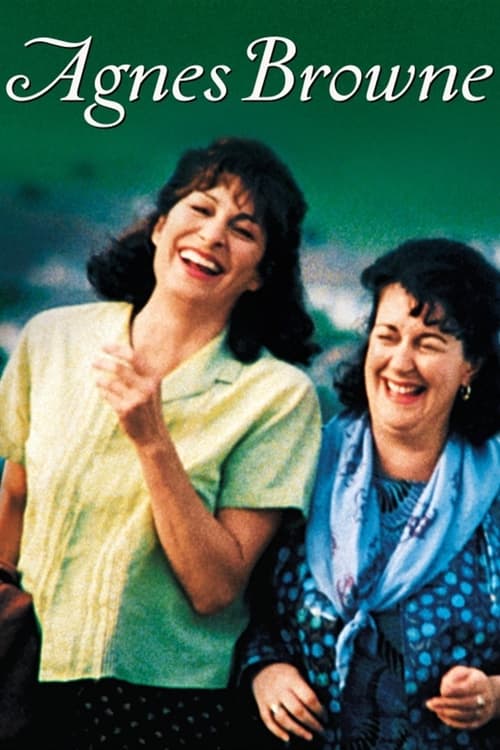
Agnes Browne is a character study that emphasizes female empowerment and challenges the restrictive influence of religion over broad demographic diversity. It succeeds in subverting the passive portrayal of women in mid-century period pieces. However, the film's adherence to the historical ethnic homogeneity of its setting and the absence of LGBTQ+ or disability-centric narratives result in a lower overall score. It functions as a realistic depiction of a specific era rather than a diverse modern tapestry. Ultimately, the film's strength lies in its sophisticated, character-driven exploration of the psychological landscapes of its female protagonist.
Category Breakdown
The film adheres to the assumption that everyone is straight and cisgender, lacking any representation of LGBTQ+ identities or same-sex romantic relationships. It focuses on conventional marital and parental roles typical of 1960s Dublin.
Agnes Browne is the central figure, driving her household and business with significant control over her life. The story examines the conflict between societal expectations of femininity and personal autonomy.
The cast is ethnically uniform, reflecting the historical homogeneity of 1967 Ireland. This choice maintains period authenticity but limits the exploration of diverse backgrounds.
The narrative critiques the pervasive influence of the Roman Catholic Church. It explores the tension between institutional dogma and individual ethics while upholding a traditional view of the family unit.
The film does not prominently depict neurodivergence or physical disabilities. Emotional hardships such as grief are portrayed as universal experiences rather than specific disability issues.
Present on Screen
Limited or Absent
Official Synopsis
Set in Dublin in 1967, the story of feisty woman, who along with her seven children, learns to cope with adversity after the unexpected death of her husband.
1998
1976

2017
1994
1996
1995
2002

2002
No reviews yet. Be the first to share your thoughts on this movie!
Use the rating form above to leave a star rating and optional review.