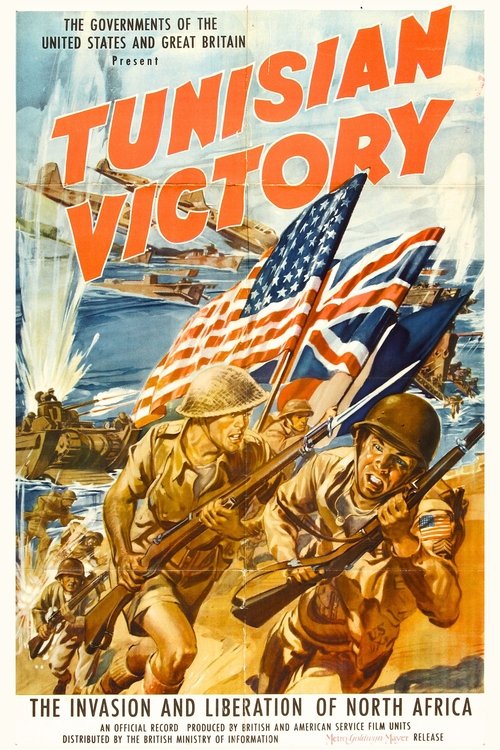
Tunisian Victory
1944
No user ratings available yet
Representation score: 0.5 out of 10
Representation Score
Minimal
1953
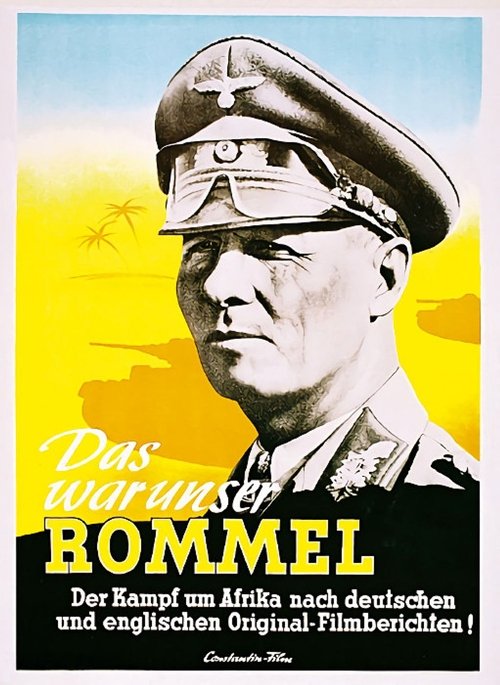
K-16Director
Horst Wigankow, Fritz Bayerlein
Average Rating
No ratings yetNew Showbiz Analysis
This 1953 documentary serves as a biographical retrospective of Erwin Rommel, functioning as a traditional archival record rather than a work of social commentary. Because it focuses on a specific military figure within a mid-century context, it naturally lacks diverse representation. The film's structure is built around the patriarchal and homogeneous nature of the German military command. It prioritizes historical commemoration over the representation of diverse identities, resulting in a narrow social scope. Ultimately, the work reflects the structural constraints of its era, documenting a specific period of military history through a very limited demographic lens.
Category Breakdown
The film does not depict any LGBTQ+ identities. It follows the strict, straight-focused social structures of the mid-20th century military.
Gender representation is minimal, focusing almost entirely on masculine military leadership. Women are shown only as peripheral domestic figures or incidental background elements.
The documentary reflects the ethnic homogeneity of the mid-century European officer corps. It lacks demographic diversity, focusing strictly on a homogeneous military context.
The film operates within a framework of traditional nationalism and military institutionalism. It emphasizes traditional views of heroism rather than exploring diverse cultural perspectives.
There is no focus on disability or neurodivergence. Physicality is viewed solely through the lens of combat readiness and military capability.
Present on Screen
Limited or Absent
1944

1951
1944
1935
1943
1945
1945

1940
No reviews yet. Be the first to share your thoughts on this movie!
Use the rating form above to leave a star rating and optional review.