
The Anderson Platoon
1967
No user ratings available yet
Representation score: 2.6 out of 10
Representation Score
Minimal
1953
ApprovedDirector
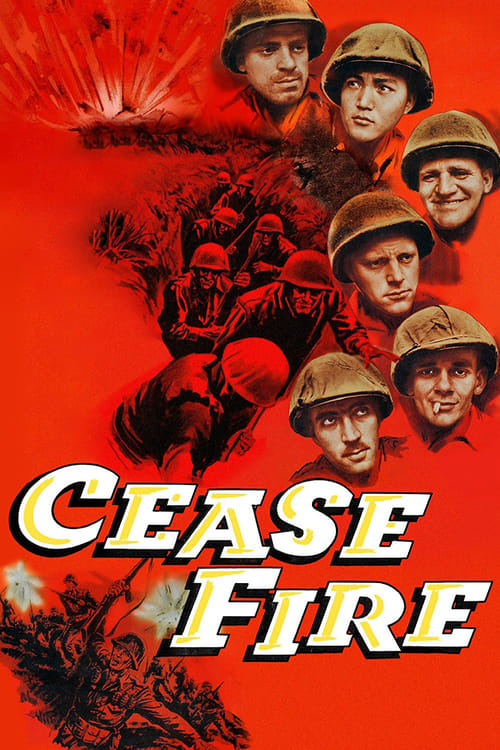
Owen Crump
Runtime
75 minutes
Average Rating
No ratings yetNew Showbiz Analysis
Cease Fire! is a traditional military narrative that emphasizes institutional stability and masculine hierarchy. It reflects the demographic and social norms of 1953, lacking complexity in diversity. The film centers on a white, male platoon, reinforcing the storytelling conventions of the time. It focuses on the unpredictability of combat rather than diverse social or cultural themes. Overall, the film serves as a typical example of mid-century war media, adhering to the period’s representations of military service and patriotism.
Category Breakdown
The film does not depict any LGBTQ+ identities or stories. It stays within the traditional gender and sexual boundaries of the 1950s.
The movie focuses on an all-male cast involved in military hierarchies. Female characters have little influence, showing war as a male-dominated field.
The cast consists of white American soldiers, reflecting the homogeneous demographics of 1950s war media. It lacks characters of color with significant roles.
The film upholds mid-century Western values, emphasizing military order and duty. It presents a traditional view of patriotism without deeper critiques.
The film does not feature characters with visible or invisible disabilities. While combat trauma is present, it is not a central theme.
Present on Screen
Limited or Absent
Official Synopsis
A sometimes uncomfortable marriage between fact and fiction, this film is part documentary and part drama, mixing actual war footage with reenactments in which real veterans of the Korean War portray members of a platoon sent out on a reconnaissance mission near the end of the conflict. Though peace is imminent, violence unexpectedly erupts. A day that begins with the calm and mundane is transformed into a heated battle that typifies the cruel and unpredictable nature of war.
1967
2018
1947
1942
2019
1945
1944
1916
No reviews yet. Be the first to share your thoughts on this movie!
Use the rating form above to leave a star rating and optional review.