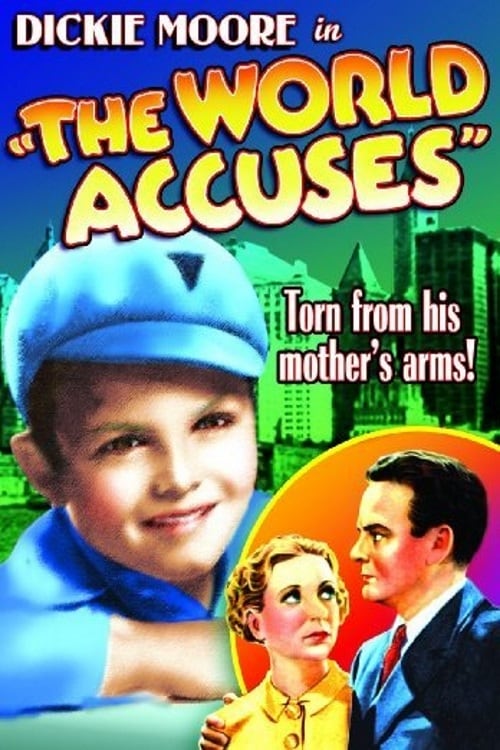
The World Accuses
1934
No user ratings available yet
Diversity score: 3.5 out of 10
1934
PassedDirector
Charles Lamont
Runtime
65 minutes
Average Rating
No ratings yetSynopsis
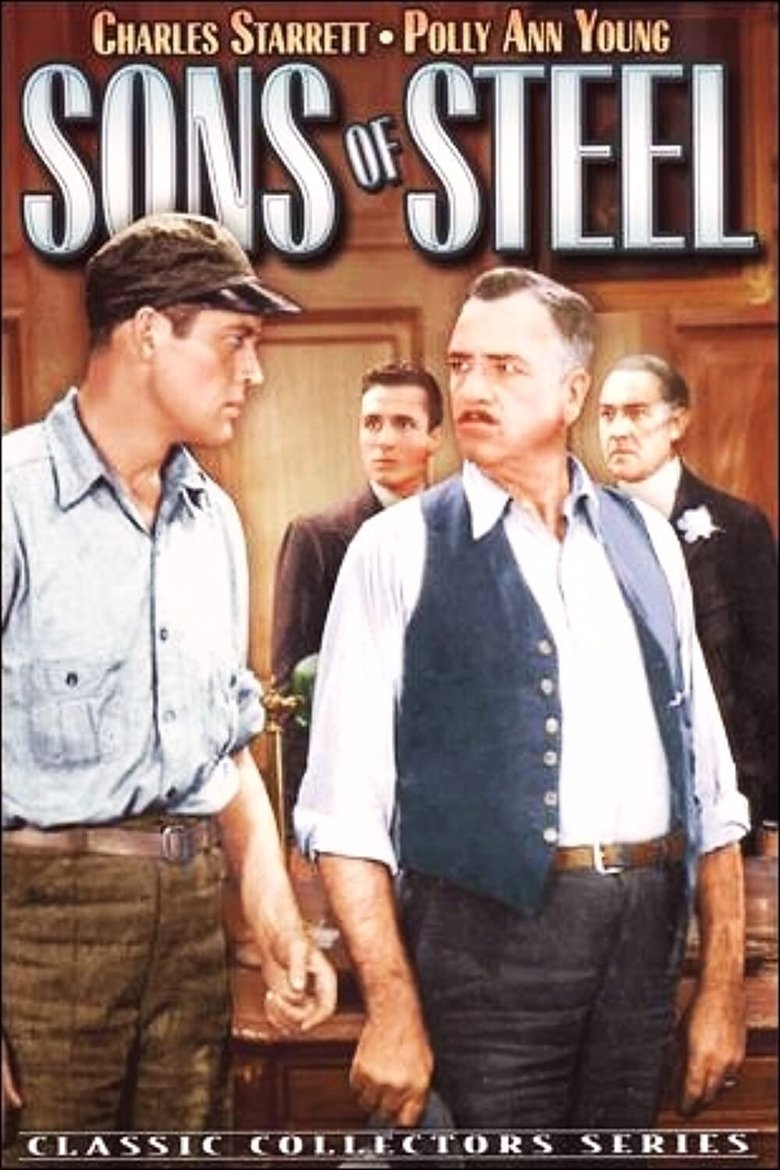
Chadburne Steel is run by two brothers, old men. They each have different plans for their sons. Curtis (Holmes Herbert) has put Ronald (William Blakewell) through college in style...
Overall Score
Limited
Category Breakdown
LGBTQ+ Representation
The film offers no evidence of non-cisnormative identities. Given the 1934 release and era-specific censorship, themes critiquing heteronormativity are absent.
Gender Representation
The narrative focuses heavily on male lineage and patriarchal succession. Power dynamics center on older men and the preparation of sons for leadership roles.
Racial & Ethnic Diversity
The story centers on a specific family dynasty within a Western industrial setting. There is no mention of non-Anglo-Saxon characters or a diverse cast.
Religious & Cultural Diversity
The film emphasizes traditional Western values like capitalism and family legacy. It focuses on preserving a business empire rather than critiquing social orders.
Disability Representation
There is no information regarding the inclusion or portrayal of characters with physical or neurodivergent disabilities.
Strengths
Areas for Improvement
AI Analysis
Sons of Steel is a traditional industrial drama that reinforces established social hierarchies. The plot revolves around familial succession and the management of a corporate dynasty, which prioritizes patriarchal structures and inherited wealth. The film reflects the era's focus on stability and institutional norms. By centering the narrative on the Steel family's continuity, it upholds conventional Western values regarding class and business leadership. Ultimately, the production lacks intersectional storytelling or narrative subversion. It functions as a period piece that mirrors the homogeneous demographics and social structures typical of early 1930s studio cinema.
1934
1934
1934
1931

1943
1934
1940

1932
1936

1942

1928

1939
No reviews yet. Be the first to share your thoughts on this movie!
Use the rating form above to leave a star rating and optional review.