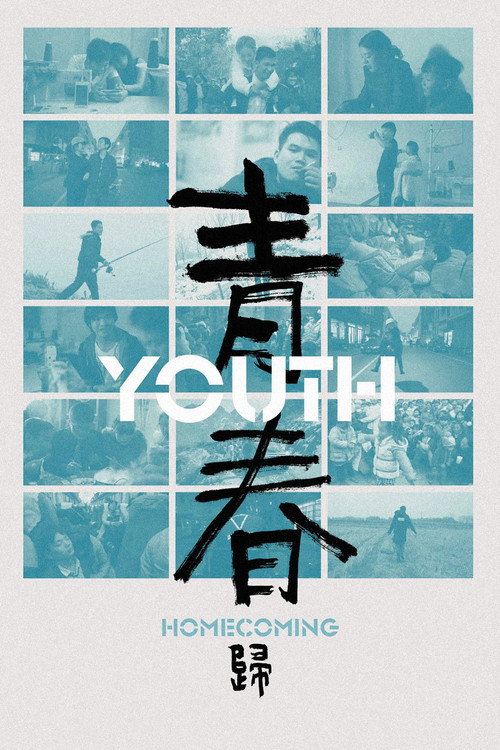
Youth (Homecoming)
2025
No user ratings available yet
Representation score: 5.8 out of 10

Representation Score
Good
2023
Director
Wang Bing
Runtime
212 minutes
Average Rating
No ratings yetNew Showbiz Analysis
Wang Bing's documentary provides a deep look into the socio-economic and regional identities of China's industrial landscape. By focusing on migrant workers, the film challenges traditional narratives of economic stability and highlights the diversity of the population. The film effectively shifts attention from institutions to the realities faced by underrepresented workers. However, its focus on systemic economic forces means it does not address specific identity-driven narratives, such as LGBTQ+ representation or disability.
Category Breakdown
The film doesn't specifically address LGBTQ+ issues or identities, focusing instead on socio-economic factors.
The film highlights the presence of women in the garment industry but does not delve into specific gender hierarchies or women's ability to drive the story.
The documentary showcases a diverse range of ethnicities among migrant workers, capturing individuals from various rural regions like Yunnan and Guizhou.
The film examines the tension between individual lives and the global capitalist system, highlighting how economic pressures affect migrant workers.
There is no information available to determine how individuals with disabilities are portrayed in this work.
Present on Screen
Limited or Absent
Official Synopsis
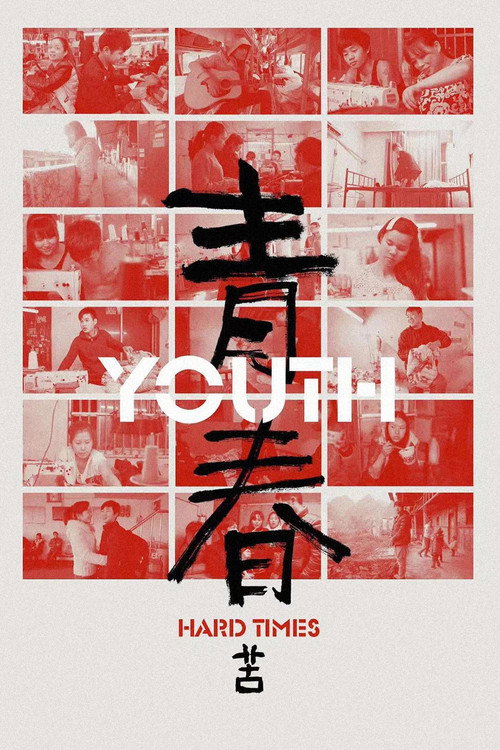
This film was shot between 2014 and 2019 in the town of Zhili, a district of Huzhou City in Zhejiang province, China. Zhili is home to over 18,000 privately-run workshops producing children's clothes, mostly for the domestic market, but some also for export. The workshops employ around 300,000 migrant workers, chiefly from the rural provinces of Yunnan, Guizhou, Anhui, Jiangxi, Henan and Jiangsu.
2025

2010
2008
2019
2004
2019
2025
2018
No reviews yet. Be the first to share your thoughts on this movie!
Use the rating form above to leave a star rating and optional review.