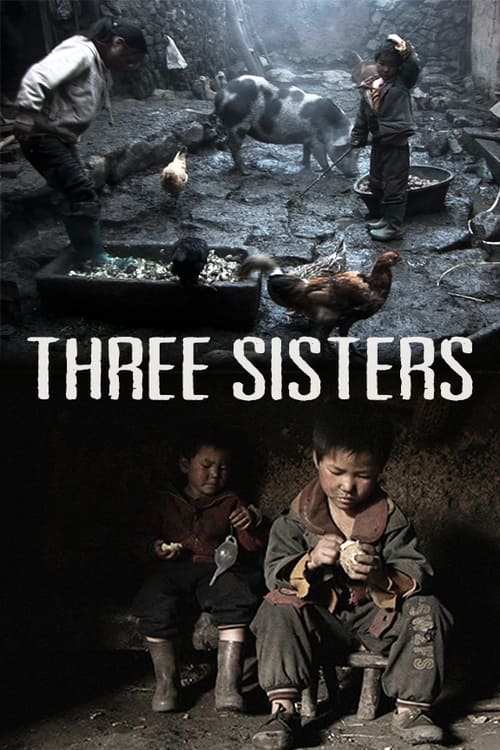
Three Sisters
2012
No user ratings available yet
Representation score: 4.1 out of 10
Representation Score
Fair
2014
Director
Wang Bing
Runtime
87 minutes
Average Rating
No ratings yetNew Showbiz Analysis
Wang Bing’s documentary stands out by centering a non-Western perspective, offering a raw and unvarnished look at the socioeconomic fringes of China. It avoids sanitized success narratives, instead providing a deep, ethnographic study of a family navigating systemic economic pressures. However, the film's hyper-realistic focus on a specific patriarchal household means it lacks engagement with broader identity politics. There is no representation of LGBTQ+ identities or diverse gender expressions beyond the traditional family unit. Ultimately, the film's strength lies in its refusal to idealize the working class. It trades conventional cinematic formulas for a nuanced, observational look at the human cost of rapid industrialization.
Category Breakdown
There are no LGBTQ+ characters or narratives addressing non-straight identities in this film, which focuses on a working-class family unit.
The narrative centers on a patriarchal structure and the male experience of labor. It explores the father's role as a provider and the generational friction between him and his sons.
The film provides a profound look at a non-Western domestic reality by centering a Chinese family. It disrupts the Western-centric gaze through an unfiltered depiction of survival.
The work critiques modern economic structures by documenting squalid living conditions. It highlights the friction between traditional family life and the pressures of contemporary economic shifts.
No explicit disabilities are diagnosed, but the film captures the physical toll of manual labor. Poverty imposes systemic limitations that shape the characters' lived experiences.
Present on Screen
Limited or Absent
Official Synopsis
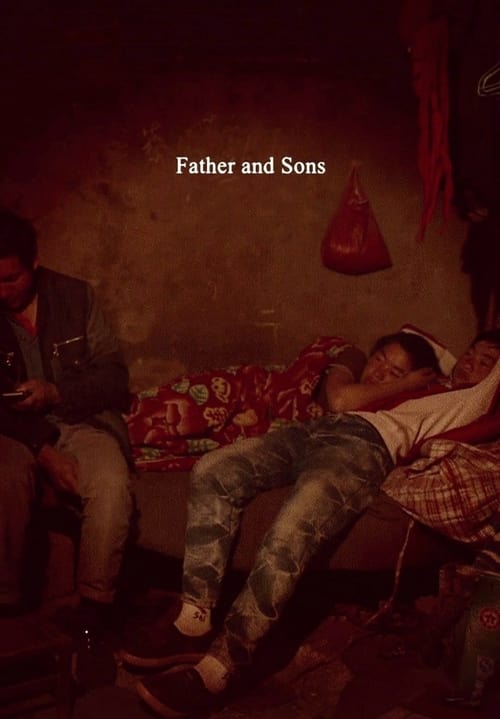
In 2010, while he was filming "Three Sisters" in the mountain of Yunnan province, Wang Bing met two teenagers, Yonggao and Yongjin, whose father, a stonemason, had gone to the city in the hope of finding work. Wang Bing met up with them again in 2014, when they had been reunited with their father after four years in Fumin. For about a month, Wang Bing filmed their daily lives in the single squalid room that was their home. The fixed camera recorded the micro-events that punctuated their days : their father leaving for work, the youngsters themselves waking up, breakfast time, in front of the television, etc.
2012

2010

2023
2015
2018
2013

2010

2011
No reviews yet. Be the first to share your thoughts on this movie!
Use the rating form above to leave a star rating and optional review.