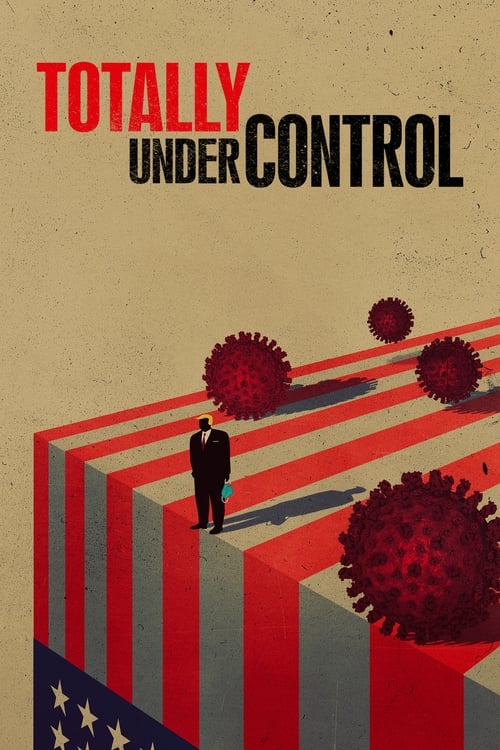
Totally Under Control
2021
No user ratings available yet
Diversity score: 5.5 out of 10
No Poster Available
1918
Director
Dziga Vertov
Average Rating
No ratings yetSynopsis
The Kino-nedelya newsreels constitute the first films of Dziga Vertov. A total of 43 issues, each containing an average of 5 to 7 different items, were produced between May 1918 and June 1919. In the fall of 1918, Vertov joined the newsreel’s ranks and soon took on full responsibility for the series, defining the content and structure of each issue. The films provide an invaluable record of life in the young Soviet Russia, then in the throes of civil war.
Category Breakdown
The newsreel format serves as a journalistic record of social life rather than a narrative vehicle. It lacks the character-driven architecture necessary to explore or critique queer identities.
The footage disrupts traditional hierarchies by documenting women in the labor force and active civic roles. It challenges domestic passivity by showing women participating in revolutionary socio-political upheavals.
The films act as a visual archive of a multi-ethnic society in transition. The 'Kino-Eye' approach offers a non-hierarchical view of various ethnic groups through collective social struggle.
The work deconstructs Tsarist and religious institutions, framing their collapse as systemic progression. It prioritizes the collective experience of the proletariat within an anti-imperialist framework.
While the civil war context suggests depictions of physical hardship, it is unclear if these portrayals grant agency. There is a risk of individuals being treated as passive subjects of trauma.
Strengths
Areas for Improvement
Score Reasoning
Dziga Vertov’s *Kino-week* functions as a systemic disruption of traditional cinematic storytelling. Rather than focusing on individual identity politics, the newsreels dismantle polished mythologies to present a fragmented, multi-vocal reality of early Soviet Russia. The work excels at challenging institutional hierarchies and Western-centric narrative norms. By documenting the collapse of monarchical and religious structures, it provides a radical view of a society in transition. However, the journalistic nature of the series limits deep demographic exploration. Representation of specific identities, such as LGBTQ+ individuals or people with disabilities, remains incidental or lacks the narrative depth required for true agency.
2021

2007
2006
2025
2024

2012
2023
1972
1995
1963
2025
2015
No reviews yet. Be the first to share your thoughts on this movie!
Use the rating form above to leave a star rating and optional review.