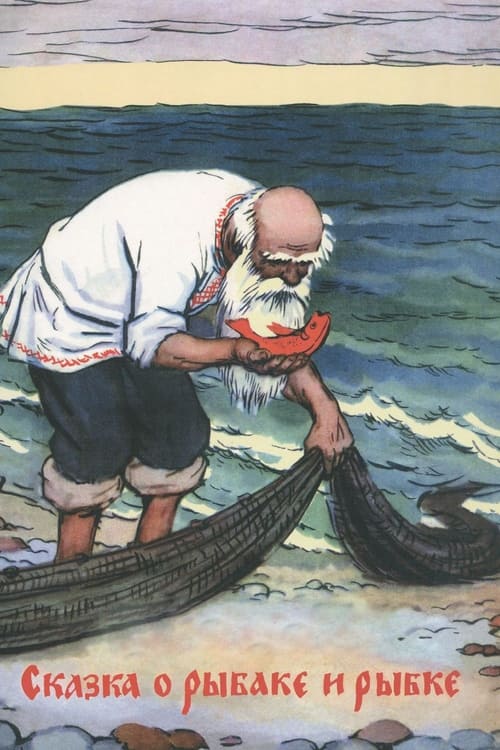
The Tale of the Fisherman and the Goldfish
1950
No user ratings available yet
Representation score: 2.9 out of 10
Representation Score
Minimal
1952
Director
Lev Atamanov
Runtime
42 minutes
Average Rating
No ratings yetNew Showbiz Analysis
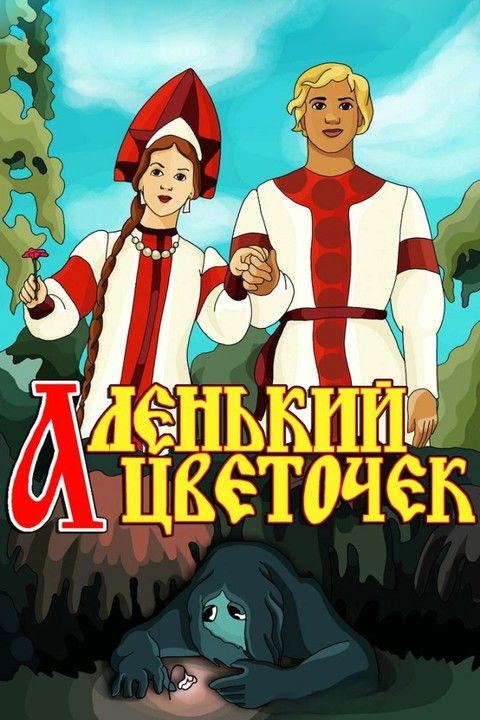
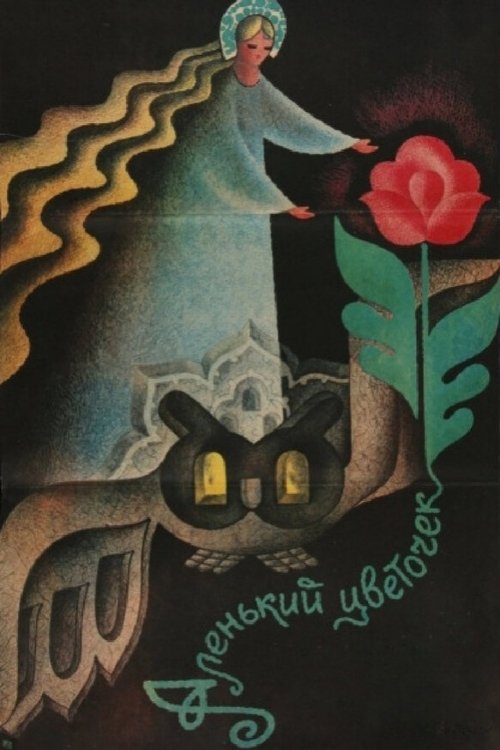
The Scarlet Flower is a classic mid-century folk tale that focuses on moral instruction and traditional storytelling. It relies on well-established archetypes, such as the vain elder sisters and the virtuous youngest daughter, to drive its narrative. While the animation showcases high-quality craftsmanship, the film does not engage with diverse identities or challenge traditional social structures. It preserves folklore rather than exploring modern diverse lived experiences. Overall, the work reflects the cultural and social values of 1952 Soviet animation, emphasizing universal moral lessons within a homogeneous setting.
Category Breakdown
The film follows a traditional heterosexual romantic relationship between Nastenka and a supernatural entity. There is no representation of LGBTQ+ identities or non-binary gender roles.
Nastenka serves as the moral center, though her role is tied to her position as a romantic interest. The story uses classic gender stereotypes, such as the vain elder sisters and the virtuous youngest sister.
The setting features a homogeneous merchant class with no evidence of racial diversity or blending. The environment is consistent with a folkloric tradition without modern demographic diversity.
The narrative emphasizes filial piety and a stable social order. It adheres to traditional moralistic values without challenging established cultural norms.
There are no characters shown with disabilities, either visible or invisible. The story does not depict neurodivergence or physical impairments.
Present on Screen
Limited or Absent
Official Synopsis
Before going on an overseas journey, a merchant father asks his three daughters what they would like him to bring back for them. The eldest asks for a shining tiara, the middle asks for a frame through which her face would always appear young, and the youngest (Nastenka) asks her father to bring her a beautiful scarlet flower like one which she saw in her dreams. Her elder sisters laugh at this simple wish. The father's trip is successful and he finds everything that he came for, with the exception of Nastenka's scarlet flower. Nevertheless, the ship heaves off and they begin to head back while the father scans the lands around him for a scarlet flower.
1950

1957
1951
1982
1951
1950
1978
1979
No reviews yet. Be the first to share your thoughts on this movie!
Use the rating form above to leave a star rating and optional review.