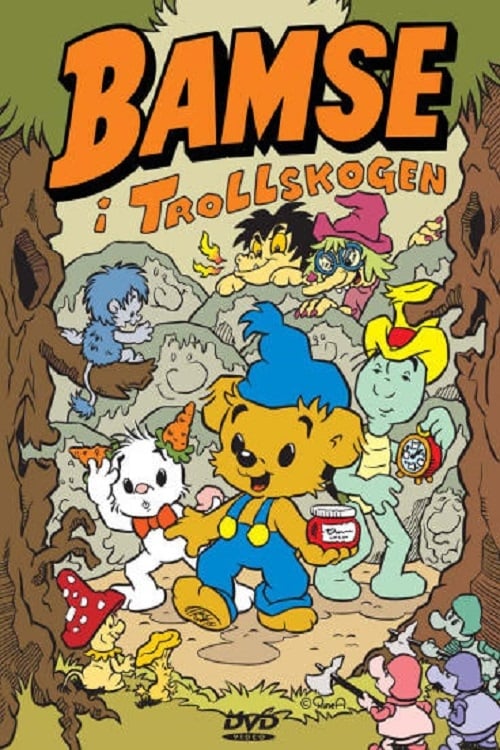
Bamse i Trollskogen
1991
No user ratings available yet
Representation score: 3.5 out of 10

Representation Score
Good
1981
Not RatedDirector
Osamu Tezuka, Toshio Hirata
Runtime
90 minutes
Average Rating
No ratings yetNew Showbiz Analysis
The film operates as a critique of centralized authority rather than a showcase of explicit identity politics. By presenting gods as manipulative antagonists, it challenges monolithic morality and institutional infallibility. Though it lacks contemporary markers of diversity, the film's exploration of vulnerability and the 'otherness' of magical beings provides a nuanced framework. It transcends simple children's fantasy by examining systemic indifference. Ultimately, the diversity lies in its narrative structure and skepticism of traditional power, rather than in overt demographic representation.
Category Breakdown
The story focuses on a close friendship between a young boy and a magical creature, without depicting romantic relationships or explicitly queer identities. This allows for a fluid and supportive companionship.
The film avoids strict patriarchal stereotypes by emphasizing the innocence and vulnerability of childhood. While it does not directly challenge gender hierarchies, it highlights the ability to act of a child and a magical entity.
Set in a high-fantasy world, the film explores themes of otherness using non-human species. This approach offers a metaphor for navigating social hierarchies outside traditional human structures.
The narrative questions traditional authority by showing a pantheon of manipulative gods. This portrayal favors a subjective morality over established systems, challenging the idea of divine infallibility.
The film does not depict explicit disabilities. However, the protagonists' struggle to gain ability to act in an indifferent system reflects the experience of navigating a world not designed for their unique needs.
Present on Screen
Limited or Absent
Official Synopsis
When Unico, a young unicorn, is banished from his family by a pantheon of manipulative gods, his powers of joy and happiness are tested as he explores the lands with his friends Beezle and Katy.
1991
1982
1980

1957

2012

1982
1979
1980
No reviews yet. Be the first to share your thoughts on this movie!
Use the rating form above to leave a star rating and optional review.