Aladdin
1992
No user ratings available yet
Representation score: 1.9 out of 10
Representation Score
Good
1982
NRDirector
Fumihiko Takayama
Runtime
78 minutes
Average Rating
No ratings yetNew Showbiz Analysis
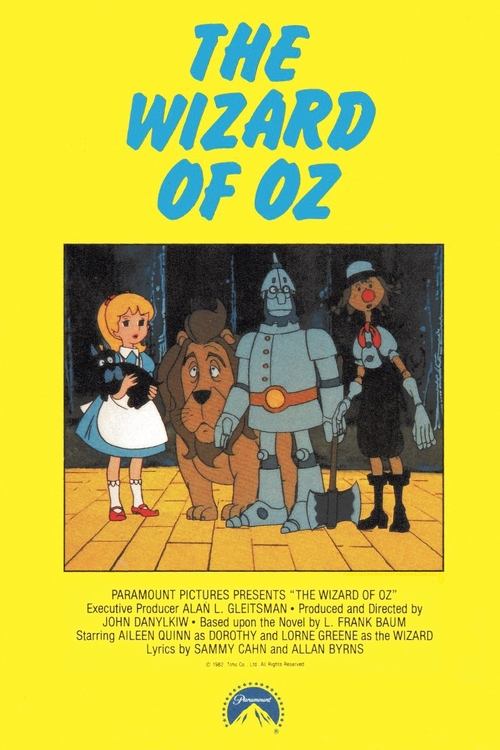
This 1982 adaptation primarily serves as a traditional fantasy adventure. While the Japanese direction subtly challenges the cultural dominance of the Western source material, the film prioritizes preserving the classic mythos. The narrative lacks the layered complexity or critical examination needed for a higher rating. It leans heavily on established clichés rather than deconstructing social hierarchies. Ultimately, the film functions as an experimental adaptation of a Western literary classic through an Eastern animated lens, but remains rooted in conventional storytelling structures.
Category Breakdown
The film does not include explicit LGBTQ+ identities or non-straight relationships. The story focuses on a friendship that stays true to the original text.
Dorothy embodies women's ability to drive the story as the main character. However, the story relies on traditional clichés of innocence typical of the farm-girl archetype.
The Japanese direction offers potential for stylized casting that deviates from Anglo-Saxon aesthetics. Non-human characters act as metaphors for otherness, though their specific design purpose is unclear.
The production aims for family-friendly entertainment within a Western fairy tale framework. It avoids direct criticism of Western institutions, capitalism, or religious structures.
The Tin Man and Scarecrow represent physical and cognitive differences. These characters might function as allegorical plot devices rather than nuanced depictions of disability or neurodivergence.
Present on Screen
Limited or Absent
Official Synopsis
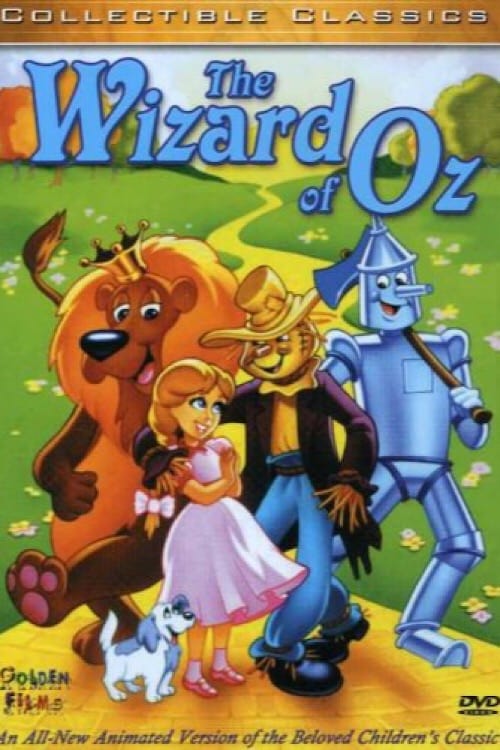
An animated version of the classic story of a young farm-girl who is transported to the magical land of Oz.
1992
2017
1987

2002
1995
1991
1994

1976
No reviews yet. Be the first to share your thoughts on this movie!
Use the rating form above to leave a star rating and optional review.