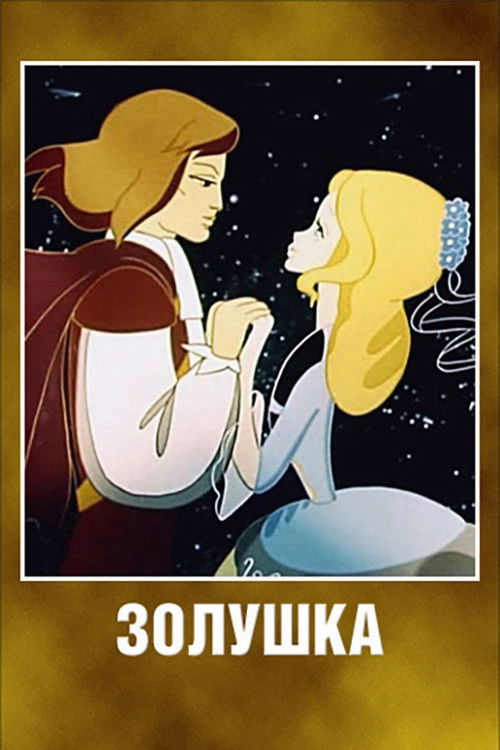
Cinderella
1979
No user ratings available yet
Representation score: 2.2 out of 10

Representation Score
Limited
1968
Director
Ivan Aksenchuk
Runtime
28 minutes
Average Rating
No ratings yetNew Showbiz Analysis
Ivan Aksenchuk’s 1968 animation is a classic character-driven fantasy rooted in European folklore. It succeeds in giving its female lead a sense of purpose and autonomy, moving her beyond a mere romantic interest. However, the film remains tethered to the conventional formulas of its era. The narrative lacks complexity by focusing on a singular, traditional romantic pursuit within a culturally homogeneous setting. While the film offers a unique perspective through its observational fish character, it does not challenge systemic social structures or provide diverse representation.
Category Breakdown
The story follows a traditional romantic arc centered on a mermaid and a prince. There is no explicit evidence of queer identities or non-straight relationships within the narrative.
The protagonist plays a significant role in driving the story by making life-altering decisions. Her desire to become human is driven by her own moral compass and active choice rather than passive reaction.
Set in Copenhagen, the film focuses on a European folk tale. The cast appears homogeneous, reflecting the setting without evidence of ethnic blending or diverse casting.
The film utilizes a traditional fairy tale framework. A cynical fish character provides a detached, observational critique of human customs, adding a layer of subjective morality to the story.
There is no information available regarding the portrayal of physical or neurodivergent disabilities in this production.
Present on Screen
Limited or Absent
Official Synopsis
Rusalochka opens in modern day Copenhagen, Denmark. Several tourists gather around the capital's famous mermaid statue, as a tour guide explains its significance. A fish in the water below the tourists scoffs at their foolishness, and then, proceeds to tell about the doomed love of the mermaid. Upon reaching her 15th birthday, the Little Mermaid is allowed to swim up to the surface above. As soon as she does, however, the Mermaid spots a young prince caught up in a dreadful storm. She admires the man's bravery and decides to save him, declaring that, "The beautiful and the brave should not perish." After the mermaid returns to the ocean, she decides that she wants to become human.
1979

1957
2008

2016
1992
1940

2012

1950
No reviews yet. Be the first to share your thoughts on this movie!
Use the rating form above to leave a star rating and optional review.