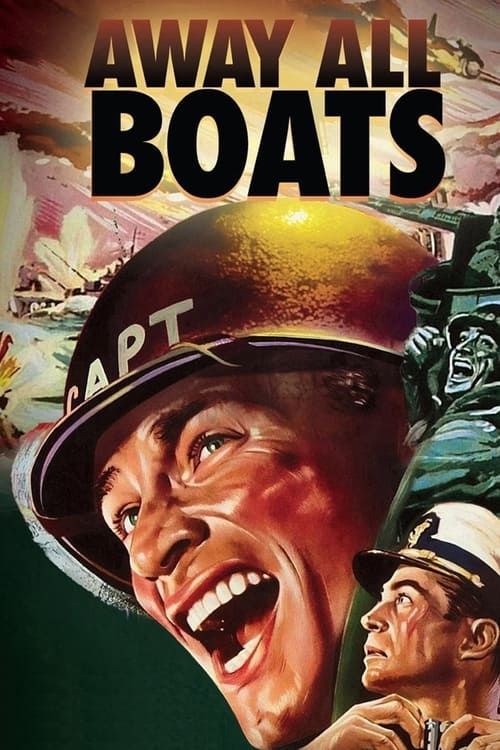
Away All Boats
1956
No user ratings available yet
Representation score: 0.9 out of 10

Representation Score
Minimal
1956
ApprovedDirector
Lewis Seiler
Runtime
81 minutes
Average Rating
No ratings yetNew Showbiz Analysis
Battle Stations is a traditional mid-century naval war drama that adheres to the conventional social frameworks of its era. The narrative centers on military conflict and the collective efforts of a U.S. Navy crew during World War II. As a product of 1950s studio filmmaking, the film prioritizes established genre clichés and mainstream storytelling. It upholds the institutional hierarchies and social norms of the time. The film minimally disrupts established social or gender norms, focusing instead on the stability of military structures and nationalistic values.
Category Breakdown
There are no LGBTQ+ characters or narratives that question the assumption that everyone is straight or cisgender in this film set in the 1950s.
The story centers around a Navy ship's crew, which may reinforce traditional gender roles. The predominantly male environment often sidelines women's ability to drive the story.
The film likely follows the homogeneous casting practices of the 1950s. Despite the global conflict, American crews were often portrayed through monolithic casting.
The story highlights patriotism, institutional loyalty, and traditional Western values. It emphasizes the stability of military and national institutions without challenging them.
There is no specific information about the depiction of physical or neurodivergent characters in the film.
Present on Screen
Limited or Absent
Official Synopsis
The crew of a U.S. Navy ship in World War II goes into battle against the Japanese fleet.
1956
1960
1942
1945
1958

1942

1970
1955
No reviews yet. Be the first to share your thoughts on this movie!
Use the rating form above to leave a star rating and optional review.