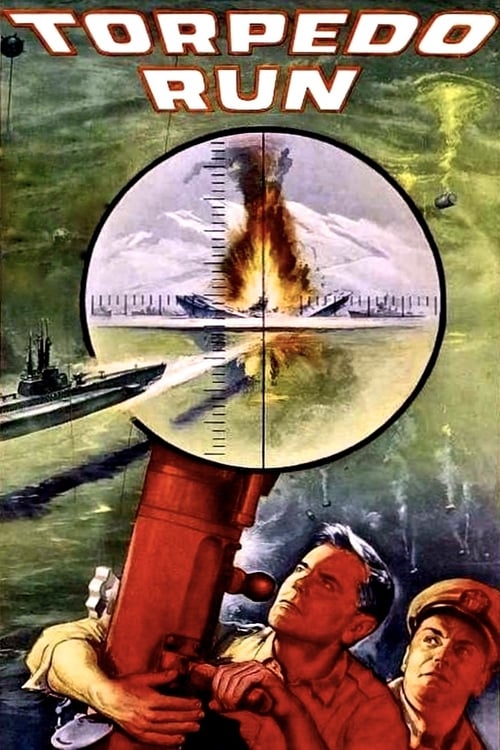
Torpedo Run
1958
No user ratings available yet
Diversity score: 0.9 out of 10

1960
NRDirector
Lewis Gilbert
Runtime
97 minutes
Average Rating
No ratings yetSynopsis
The story of the breakout of the German battleship Bismarck—accompanied by the heavy cruiser Prinz Eugen—during the early days of World War II. The Bismarck and her sister ship, Tirpitz, were the most powerful battleships in the European theater of World War II. The British Navy must find and destroy Bismarck before it can escape into the convoy lanes to inflict severe damage on the cargo shipping which was the lifeblood of the British Isles. With eight 15 inch guns, it was capable of destroying every ship in a convoy while remaining beyond the range of all Royal Navy warships.
Overall Score
Minimal
Category Breakdown
LGBTQ+ Representation
The film operates within a strictly heteronormative framework. It focuses entirely on masculine spheres of naval combat, offering no depiction of non-cisnormative identities or same-sex intimacy.
Gender Representation
Gender hierarchies are reinforced by centering the plot exclusively on male officers and sailors. Women are largely absent, and the film does not attempt to subvert traditional masculinity.
Racial & Ethnic Diversity
The cast is predominantly white and Anglo-Saxon, reflecting the historical composition of the Royal Navy. It lacks diverse ethnic groups, presenting a homogeneous depiction of the British wartime effort.
Religious & Cultural Diversity
The narrative emphasizes patriotism and military discipline to preserve Western institutions. It promotes a clear moral binary centered on the Allied cause and established command structures.
Disability Representation
There are no discernible portrayals of physical or neurodivergent disabilities. Characters are presented through a lens of idealized military capability without engaging with the complexities of impairment.
Strengths
Areas for Improvement
AI Analysis
Sink the Bismarck! is a traditionalist historical drama that prioritizes technical precision and military realism over social subversion. The film functions as a celebration of institutional authority and wartime duty, adhering to the rigid social parameters of the 1960s. Its narrative architecture is designed to reinforce existing hierarchies rather than challenge them. By focusing on the competence of the male command structure, the film maintains a narrow, homogeneous view of the era's social and military landscape. Ultimately, the work lacks intersectional complexity. It presents a linear, patriotic account of the Royal Navy that avoids moral relativism or critiques of the state and its hierarchies.
1958

1955
1950
1981
1968

1944
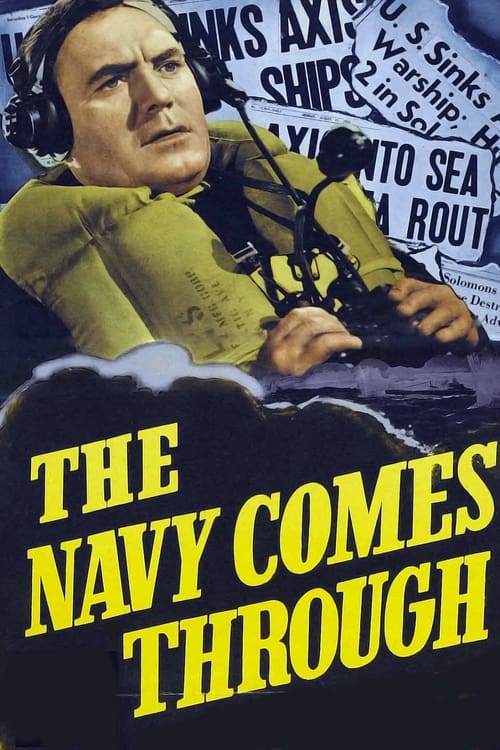
1942
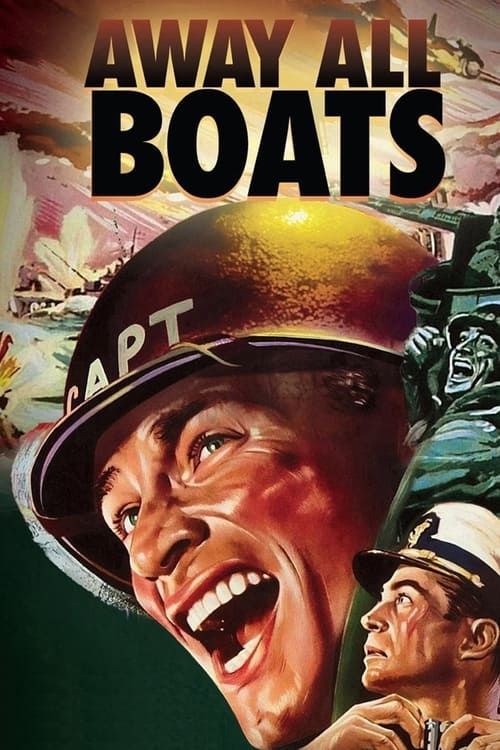
1956

1956

1944
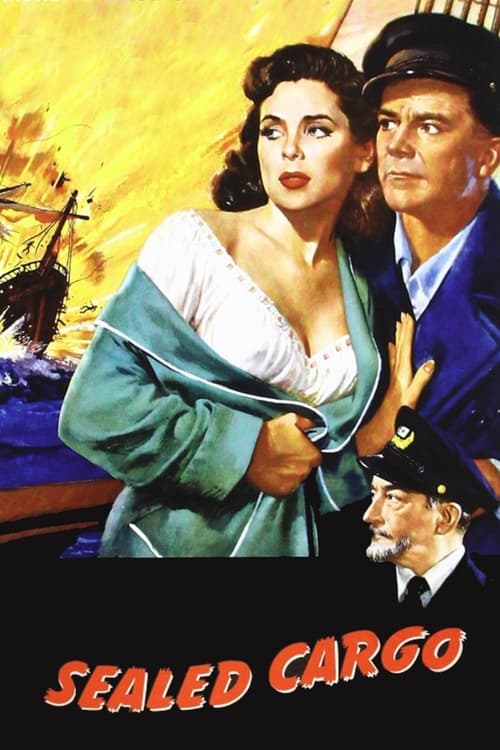
1951
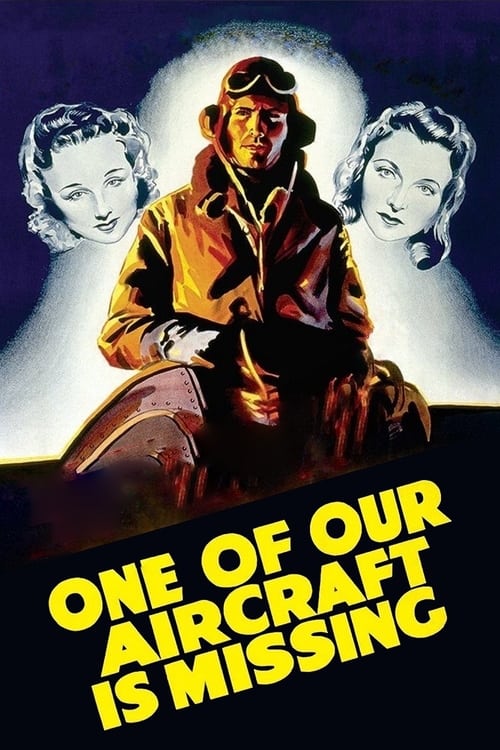
1942
No reviews yet. Be the first to share your thoughts on this movie!
Use the rating form above to leave a star rating and optional review.