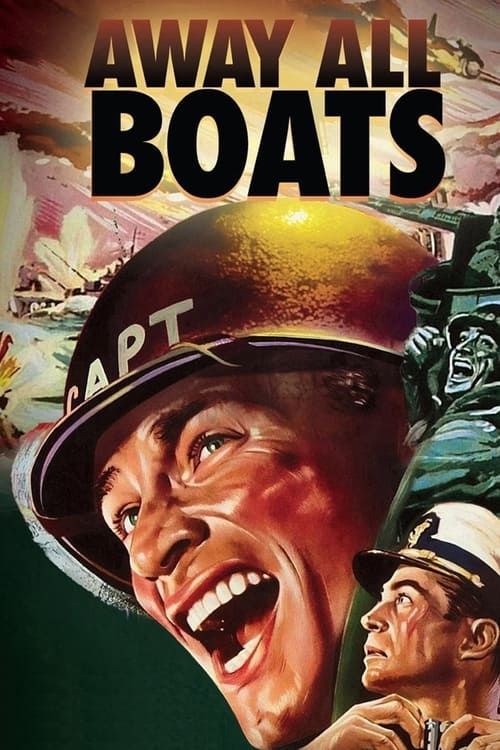
Away All Boats
1956
No user ratings available yet
Representation score: 0.9 out of 10
No Poster Available
Representation Score
Minimal
1945
ApprovedDirector
D. Ross Lederman
Runtime
61 minutes
Average Rating
No ratings yetNew Showbiz Analysis
Out of the Depths is a typical product of the mid-1940s Hollywood. It serves as a standard genre piece reflecting the homogeneous social norms of its time. The narrative structure reinforces traditional social hierarchies and wartime nationalism. It does not aim to challenge or dismantle conventional expectations, focusing instead on a masculine-led military storyline. Ultimately, the film lacks the intention to engage with diverse identities, serving primarily as a vehicle for duty-bound, nationalistic storytelling.
Category Breakdown
The film adheres to the social norms of the 1940s and does not include any non-traditional gender identities or same-sex relationships. It focuses on masculine camaraderie among the naval crew.
The narrative emphasizes traditional mid-century gender roles, where leadership positions are held exclusively by men. Women have minimal roles or are confined to domestic duties.
Set in the Pacific theater during World War II, the film relies on the geopolitical divisions of the time. It lacks diverse casting and follows the typical depictions of American and Japanese forces from the era.
The story promotes patriotism and military service consistent with the propaganda of the 1940s. It upholds Western institutional values without exploring alternative moral frameworks.
The film does not depict any neurodivergent conditions or physical disabilities. Characters are portrayed using standard wartime archetypes without highlighting the experiences of disabled individuals.
Present on Screen
Limited or Absent
Official Synopsis
Told in flashback, Out of the Depths strives to explain why its four male protagonists are bobbing around the Pacific in a lifeboat. The story proper begins as Captain Faversham (Jim Bannon) and his crew embark upon a secret mission which takes them into Japanese waters. The plan is to prevent a kamikaze attack against the American invading forces. Compelling in itself, the plotline isn't improved by arbitrary doses of misfire pathos and comedy relief. One of the sailors is played by Ken Curtis, later to gain TV fame as Festus on Gunsmoke.
1956
1945
1958
1960

1956
1958
1944

1942
No reviews yet. Be the first to share your thoughts on this movie!
Use the rating form above to leave a star rating and optional review.