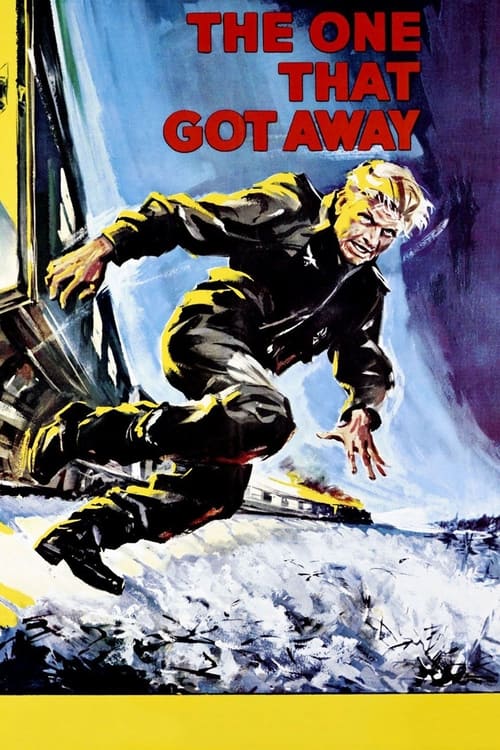
The One That Got Away
1957
No user ratings available yet
Diversity score: 1.4 out of 10
1942
GDirector
Leslie Howard
Runtime
118 minutes
Average Rating
No ratings yetSynopsis
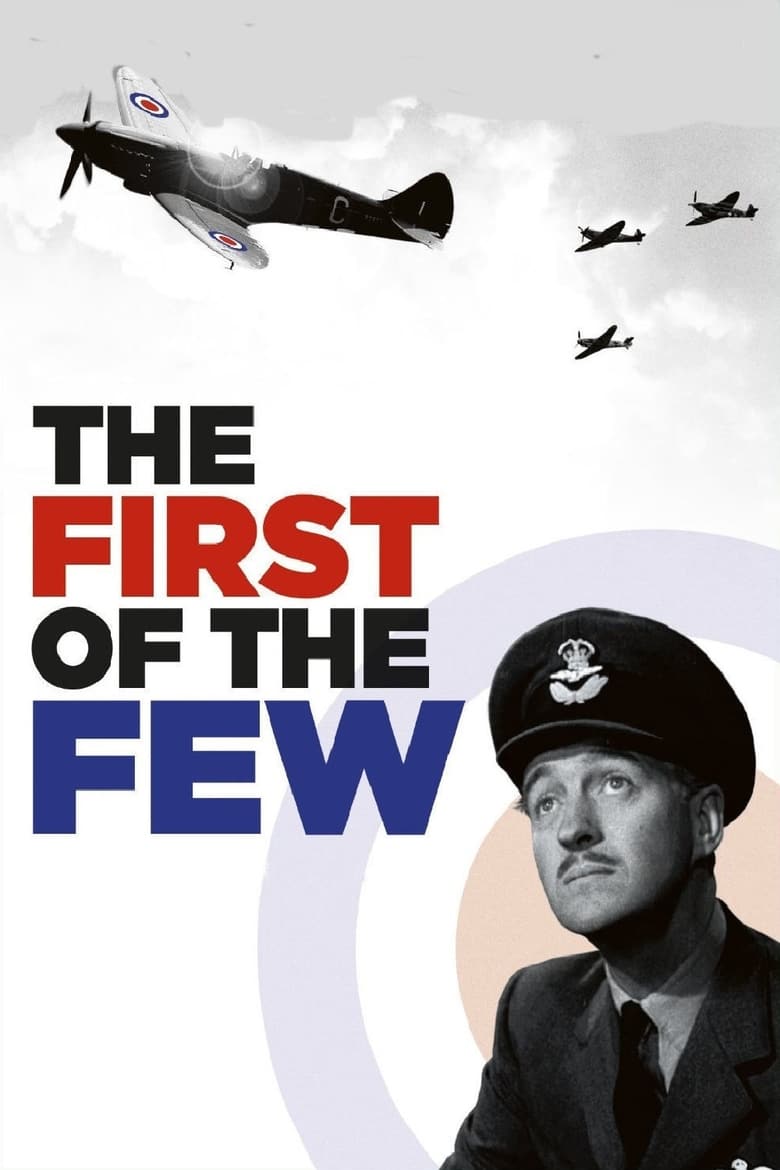
This 1942 fictionalized biopic chronicles the true story of how two of the most remarkable men in aviation history - visionary Spitfire designer R.J. Mitchell and his test pilot Geoffrey Crisp - designed a streamlined monoplane that led to the development of the Spitfire.
Overall Score
Minimal
Category Breakdown
LGBTQ+ Representation
The film adheres to the social norms of the early 1940s. There are no depictions of non-cisnormative identities or same-sex intimacy, with character dynamics centered on traditional domesticity.
Gender Representation
The narrative is built upon a patriarchal framework. The central technical and political conflicts are situated entirely within a male-dominated professional sphere, relegating women to domestic roles.
Racial & Ethnic Diversity
The cast is overwhelmingly homogeneous, reflecting the historical setting of British aeronautical engineering. The film lacks racial or ethnic plurality, presenting a singular Anglo-Saxon perspective.
Religious & Cultural Diversity
The film celebrates Western institutional strength and patriotism. It prioritizes the preservation of existing social and political orders rather than deconstructing the legitimacy of the state.
Disability Representation
There is no discernible representation of physical, sensory, or neurodivergent identities. Characters are presented through a lens of standard physical capability without exploring disability.
Strengths
Areas for Improvement
AI Analysis
The First of the Few functions as a cohesive piece of national storytelling that reinforces traditional hierarchies. While it effectively explores the friction between individual innovation and systemic bureaucracy, it does so within a framework that upholds conventional social structures. The film's perspective is deeply rooted in its 1942 historical context. It focuses on the struggle of aviation designers and pilots, but this narrative is presented through a narrow, homogeneous lens that lacks intersectional identities. Ultimately, the work serves to advocate for national service and the defense of Western values. It prioritizes the stability of the existing social order over the inclusion of diverse or non-traditional perspectives.
1957
1944
1969
1942

1958
1945
1953

1944
1943
1968
1941
1942
No reviews yet. Be the first to share your thoughts on this movie!
Use the rating form above to leave a star rating and optional review.