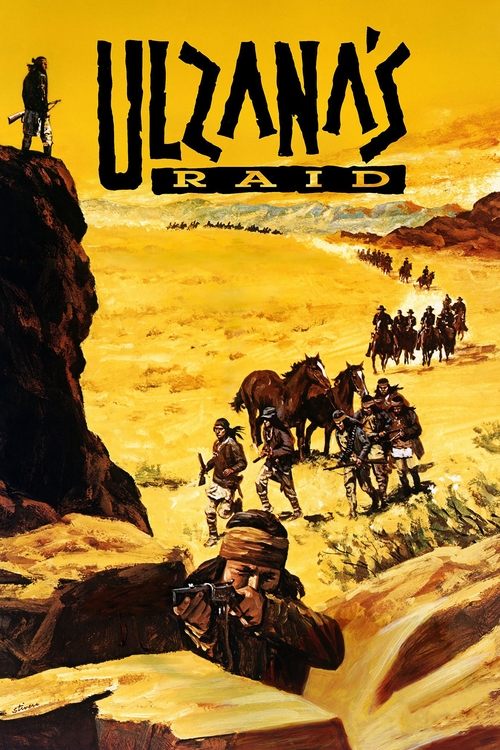
Ulzana's Raid
1972
No user ratings available yet
Representation score: 2.8 out of 10

Representation Score
Limited
1950
ApprovedDirector
Delmer Daves
Runtime
93 minutes
Average Rating
No ratings yetNew Showbiz Analysis
Broken Arrow attempts to evolve the traditional Western genre by presenting the Apache people as victims responding to historical atrocities rather than inherently aggressive. However, the film remains constrained by the social norms of its time. Utilizing white actors to portray Indigenous characters and limiting the ability to act of female characters hinders its progressiveness. Ultimately, the film presents a nuanced critique of cultural and institutional violence while still adhering to traditional casting and gender norms.
Category Breakdown
The film adheres to a strictly heterosexual and cisgender perspective. Queer identities and non-binary gender roles are not represented.
Women in the film primarily serve as emotional support or domestic figures, lacking significant roles in driving the plot forward. Their influence is limited to supporting male characters.
The film portrays the Apache people as reacting to historical injustices committed by whites. However, the use of white actors in redface to play the central Apache figure diminishes the authenticity of the portrayal.
The story critiques the violence carried out by institutions and the U.S. Cavalry during frontier conflicts. It frames the conflict as a systemic tragedy rather than a straightforward battle between good and evil.
There are no significant representations of physical or neurodivergent disabilities in the film.
Present on Screen
Limited or Absent
Official Synopsis
Indian scout Tom Jeffords is sent out to stem the war between the American settlers and Apaches in the late 1870s Arizona. He learns that the Indians kill only to protect themselves, or out of retaliation for white atrocities.
1972
1948
1956
1965
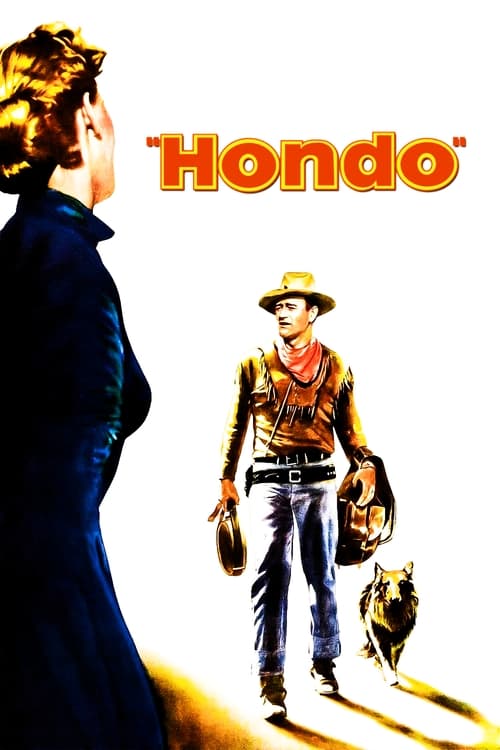
1953
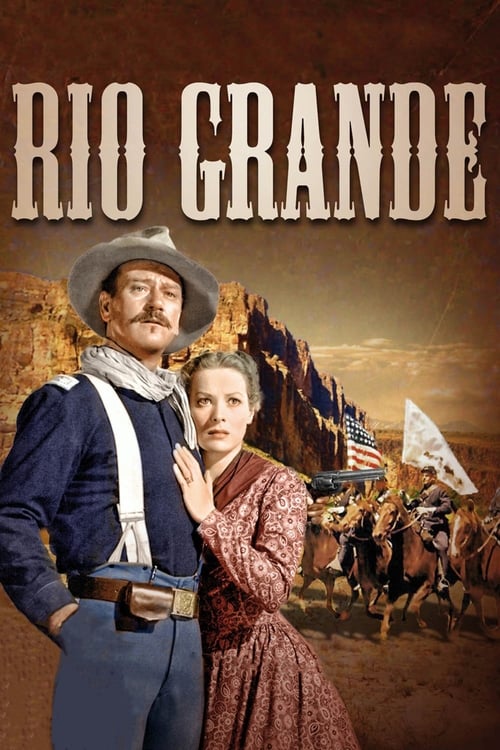
1950
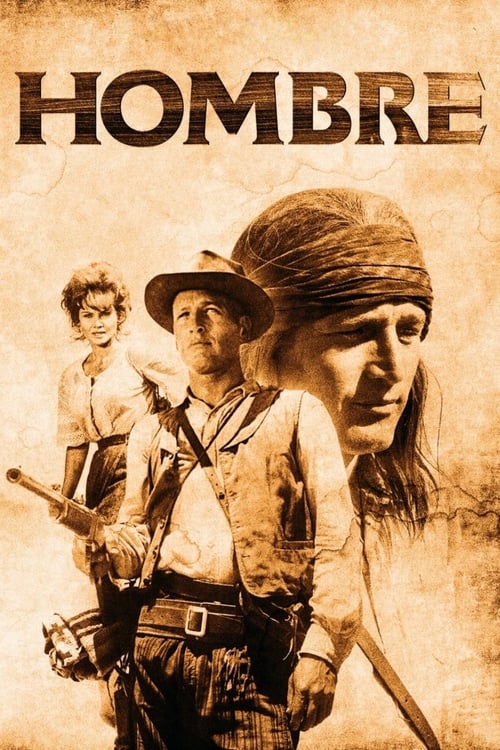
1967
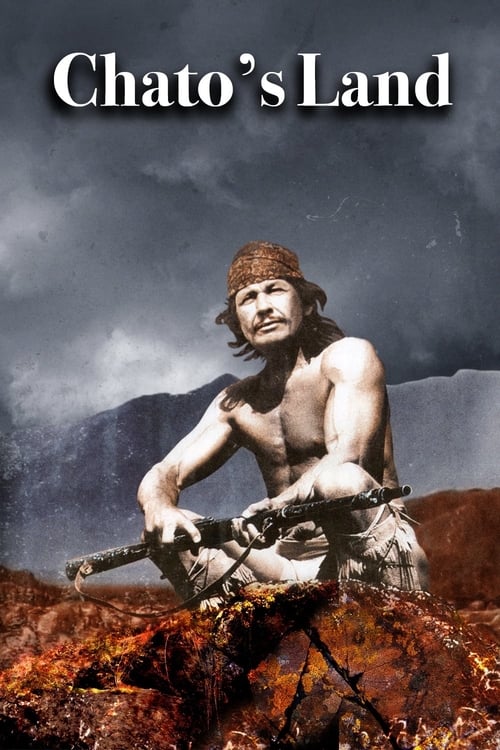
1972
No reviews yet. Be the first to share your thoughts on this movie!
Use the rating form above to leave a star rating and optional review.