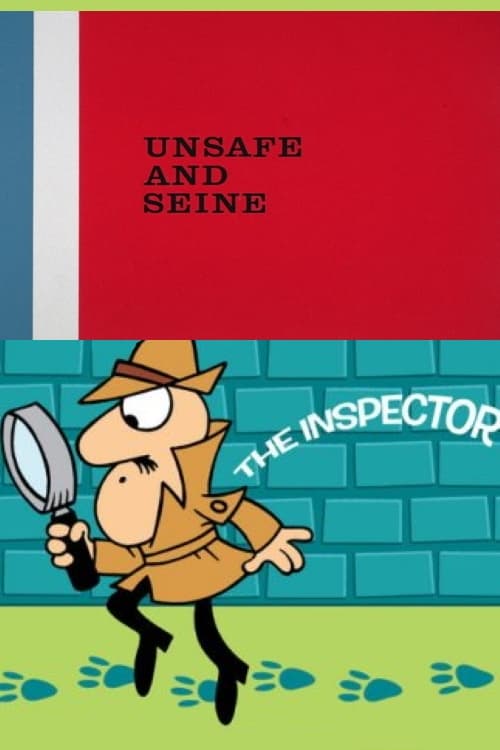
Unsafe and Seine
1966
No user ratings available yet
Representation score: 0.8 out of 10
Representation Score
Limited
1966
ApprovedDirector
George Singer
Runtime
7 minutes
Average Rating
No ratings yetNew Showbiz Analysis
Sicque! Sicque! Sicque! is a mid-century animated short that prioritizes physical comedy and established literary clichés. The narrative centers on a slapstick transformation rather than social commentary. The film adheres to the conventional storytelling norms of its era, focusing on a contained, situational comedy. It lacks depth regarding identity or systemic power dynamics. Ultimately, the work functions as a traditional gag-driven routine, offering little in the way of diverse representation or cultural critique.
Category Breakdown
The film focuses on a Jekyll-and-Hyde transformation. It does not include any queer subtext or non-cisgender identities.
The story relies on traditional slapstick dynamics between authority and chaos. It does not challenge traditional gender hierarchies or masculinity.
The setting and archetypes suggest a Eurocentric framework. The film follows the homogeneous casting standards of 1960s European animation.
The narrative utilizes Western literary clichés and individualistic humor. It does not critique Western institutions or capitalism.
The transformation into a monster serves as a comedic gag. It does not explore neurodivergence or physical disabilities.
Present on Screen
Limited or Absent
Official Synopsis
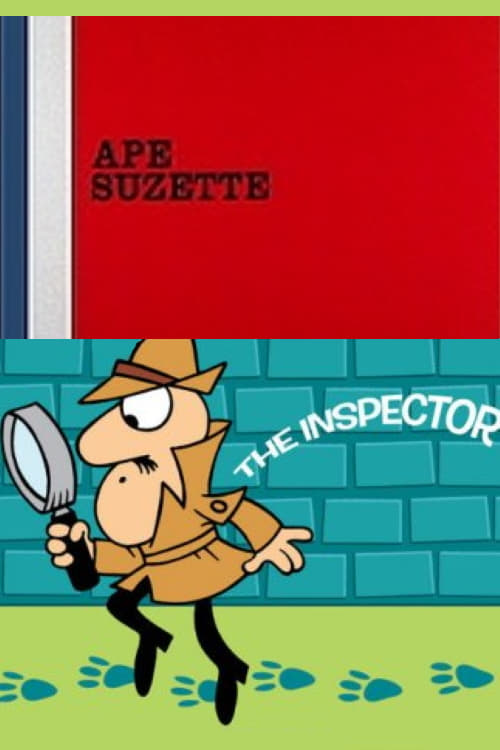
During an investigation at the Château de Vincennes, Sergeant Deux Deux clumsily drinks a swig of the formula of a mad scientist and therefore transforms as Mr. Hyde, in routines, goes torturing the Inspector.
1966
1966
1966
1968
1975
1955
1967
1966
No reviews yet. Be the first to share your thoughts on this movie!
Use the rating form above to leave a star rating and optional review.