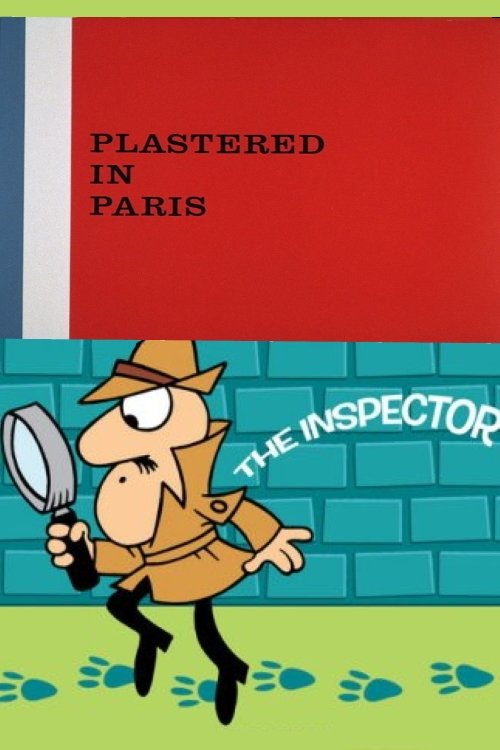
Plastered in Paris
1966
No user ratings available yet
Representation score: 1.8 out of 10

Representation Score
Limited
1967
ApprovedDirector
Gerry Chiniquy
Runtime
6 minutes
Average Rating
No ratings yetNew Showbiz Analysis
Canadian Can-Can is a product of mid-century animation that adheres strictly to established genre clichés. The narrative relies on traditional masculine archetypes and conventional morality, offering little in the way of social subversion. The film's use of a physical anomaly to represent moral duality highlights a dated approach to disability. Instead of providing nuanced representation, the character's condition serves merely as a narrative tool for the plot. Ultimately, the production operates within a narrow framework of authority and law enforcement. It lacks the intentionality needed to present perspectives that reflect multiple aspects of identity or disrupt the social hierarchies of its era.
Category Breakdown
The film does not include any characters with non-binary gender identities. The story revolves around a traditional law-enforcement pursuit without any visible LGBTQ+ representation.
The narrative centers on male-driven roles of authority and villainy. Female characters are not shown to have significant influence or challenge traditional gender roles.
Set in Manitoba, the film follows a conventional Western storyline. It does not feature a diverse cast or blend various ethnic identities intentionally.
The plot uses the Canadian Mounted Police as a traditional Western institution. It reinforces conventional social orders through a typical hero versus villain setup.
Two-Faced Harry is defined by a physical anomaly used as a symbol for moral duality. This portrayal treats physical differences as a plot device rather than a lived experience.
Present on Screen
Limited or Absent
Official Synopsis
Inspector Clouseau is posted with the Canadian Mounted Police to study their crime investigation system and is assigned to apprehend a villain named Two-Faced Harry, who actually has two faces, one deceptively honest-looking, the other malicious. Clouseau doesn't realize these two faces are of the same man until he has chased the two-faced freak into the snowy plains of Manitoba.
1966
2014

1967
1964
1967
1967
1967
1967
No reviews yet. Be the first to share your thoughts on this movie!
Use the rating form above to leave a star rating and optional review.