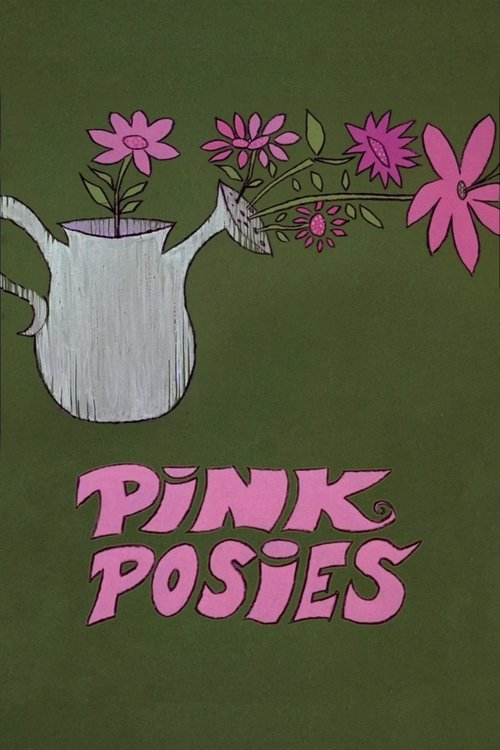
Pink Posies
1967
No user ratings available yet
Representation score: 0.8 out of 10
No Poster Available
Representation Score
Limited
1969
GDirector
Hawley Pratt
Runtime
6 minutes
Average Rating
No ratings yetNew Showbiz Analysis
Hurts and Flowers is a traditional short-form animated comedy centered on slapstick clichés and repetitive physical gags. The narrative hinges on the conflict between a pacifist 'flower child' and an aggressive 'weed.' While the protagonist embodies the aesthetic of the 1960s counterculture, the film does not effectively challenge social norms. Instead, it focuses on comedic mishaps and non-human character types. Overall, the film offers limited characters who reflect more than one aspect of diversity, sticking to conventional comedic structures and non-human character designs.
Category Breakdown
The film does not include any LGBTQ+ characters or explore non-straight relationships. The story revolves around a simple conflict between two clearly defined characters.
The characters operate in a gender-neutral or traditionally masculine environment. There are no significant female characters or challenges to traditional gender roles.
The film features highly stylized, non-human characters. There is no indication of intentional racial diversity or ethnic backgrounds.
The film references the 1960s counterculture through the 'flower child' character. However, it does not critique Western institutions or organized religion.
The film does not feature any characters with visible or invisible disabilities. Physical mishaps are used for humor rather than meaningful depictions of disability.
Present on Screen
Limited or Absent
Official Synopsis
Roland is a flower child; Rattfink is "a weed." Roland keeps growing, picking, and sniffing flowers; Rattfink keeps attacking Roland, but the attacks either fail or backfire. Among the gags: As Roland plays the harp, Rattfink tries to discourage him by drumming. When that fails, he inverts the drum to reveal a beehive; the bees attack, the harp strings send Roland back into a fountain, and the bee-stung Roland still presents Rattfink with a flower. Rattfink air-drops a bag of flour on Roland; the resulting cloud of flour engulfs RF's plane, and he crashes into a building. Finally, Roland is in a jam session; Rattfink paints a can of nitroglycerine to look like a drum, but slips on a banana peel and explodes. Roland puts a flower on his grave; Rattfink's ghost hurls it at Roland.
1967
1969

1968
1969
1971
1967
1966
1967
No reviews yet. Be the first to share your thoughts on this movie!
Use the rating form above to leave a star rating and optional review.