
Tomcat Combat
1959
No user ratings available yet
Diversity score: 2.0 out of 10
1967
Director
Ben Washam
Runtime
6 minutes
Average Rating
No ratings yetSynopsis
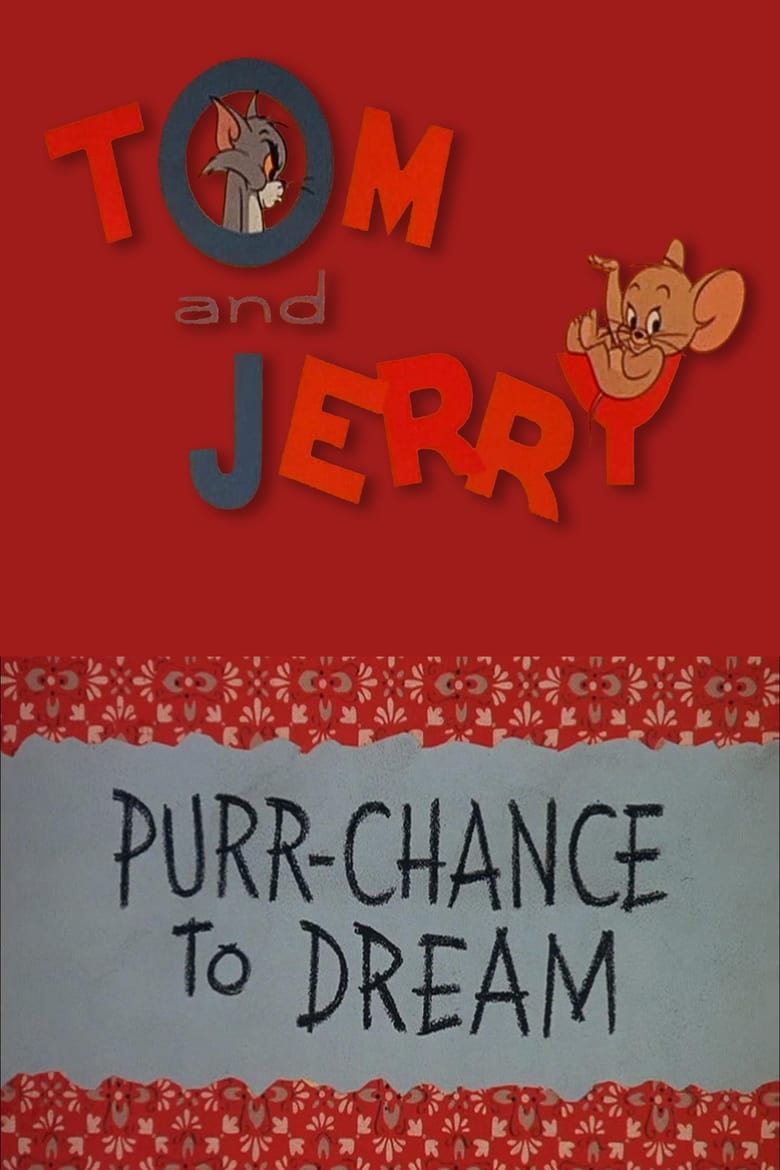
Tom has a nightmare of being pounded by a giant dog. Jerry lures Tom into a series of encounters with a miniature vicious bulldog.
Overall Score
Limited
Category Breakdown
LGBTQ+ Representation
The narrative focuses on a primal conflict between a cat and a mouse. There is no evidence of queer subtext or non-heteronormative identities.
Gender Representation
Characters are anthropomorphic animals driven by instinctual rivalry. The film relies on a predator and prey dynamic rather than engaging with gender hierarchies.
Racial & Ethnic Diversity
The film utilizes animal archetypes that do not serve as metaphors for race. The setting reflects a homogeneous environment lacking intersectional casting.
Religious & Cultural Diversity
The story centers on a dream-sequence structure and physical confrontation. It avoids engagement with systemic critiques or broader socio-political frameworks.
Disability Representation
There is no evidence of characters with visible or invisible disabilities. The comedy relies on exaggerated movement and slapstick violence.
Strengths
Areas for Improvement
AI Analysis
Purr-Chance to Dream is a traditional animated short that prioritizes physical gag structures over narrative depth. The story follows a standard slapstick framework centered on a predatory conflict between Tom and Jerry. Because the film focuses on instinctual animal rivalries, it lacks intentionality regarding social themes. The characters exist within a homogeneous environment that does not challenge existing hierarchies or explore identity. Ultimately, the work functions as a localized comedic struggle. It remains rooted in mid-20th-century comedic tropes without attempting to provide meaningful representation for marginalized groups.
1959
1951
1949
1949
1938
1951
1950
1933
1942
1946
1948
1958
No reviews yet. Be the first to share your thoughts on this movie!
Use the rating form above to leave a star rating and optional review.