
Bucking the Truth
1926
No user ratings available yet
Representation score: 2.3 out of 10
Representation Score
Minimal
1927
PassedDirector
Ray Flynn
Runtime
50 minutes
Average Rating
No ratings yetNew Showbiz Analysis
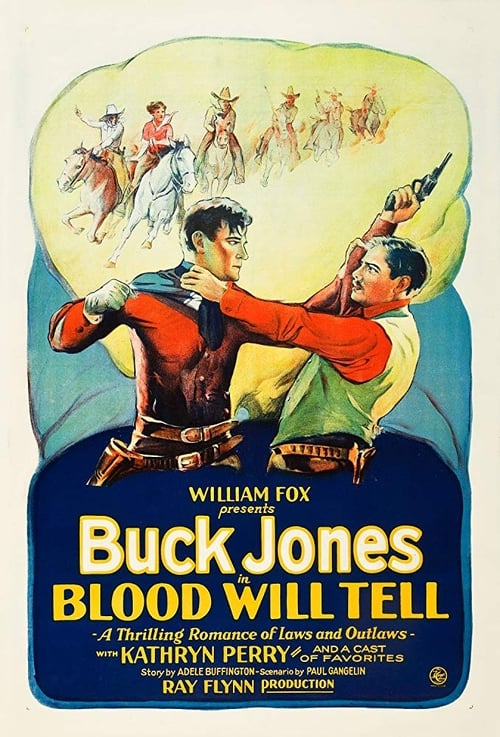
Blood Will Tell is a standard silent Western that operates within the traditional social and narrative hierarchies of the 1920s. It follows established genre clichés rather than attempting to challenge social structures or incorporate diverse storytelling approaches. The film's focus on a rancher protecting his land reinforces conventional Western values of ownership and masculine authority. This adherence to period-specific norms results in a lack of diversity across most demographic categories. Ultimately, the production reflects the era's homogeneous casting and storytelling patterns, offering little disruption to the status quo of early Hollywood cinema.
Category Breakdown
The film does not include any characters with non-binary gender identities or same-sex relationships. It follows the assumption that everyone is straight and cisgender.
Buck Jones holds the main role of leadership and ability to act. The narrative reinforces traditional masculine hierarchies, likely limiting female characters to supporting or domestic roles.
The film aligns with the homogeneous demographic norms of early Hollywood. It likely centers on Anglo-Saxon protagonists, reflecting the standard casting practices of 1927.
The story emphasizes property rights and individualist frontier justice. These themes focus on preserving established social orders and localized authority rather than critiquing institutions.
There is no documented evidence of characters with visible or invisible disabilities. The narrative does not feature any representation in this category.
Present on Screen
Limited or Absent
Official Synopsis
Rancher Buck Jones goes undercover as a ranch hand on his own spread
1926
1927
1964
1941

1929

1934
1935
1926
No reviews yet. Be the first to share your thoughts on this movie!
Use the rating form above to leave a star rating and optional review.