
Winnetou and the Crossbreed
1966
No user ratings available yet
Representation score: 1.9 out of 10
Representation Score
Minimal
1965
NRDirector
Harald Philipp
Runtime
89 minutes
Average Rating
No ratings yetNew Showbiz Analysis
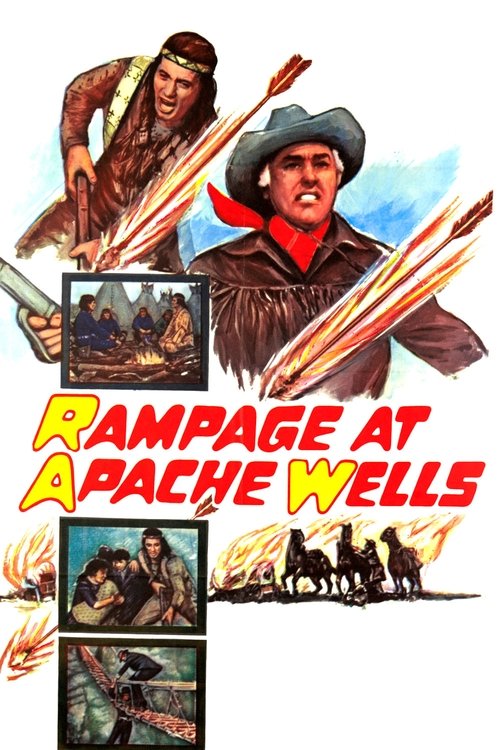
Rampage at Apache Wells operates as a conventional mid-century Western, relying heavily on established genre clichés. The narrative centers on the conflict between an unscrupulous businessman and indigenous leaders, emphasizing adventure over social critique. While the film introduces ethnic tension through the Apache characters, it does so within the confines of traditional frontier clichés. The storytelling highlights moral dichotomies—greed versus righteousness—without delving into complex, multi-layered identities. Ultimately, the film lacks the intention to disrupt historical hierarchies. It serves as a baseline example of 1960s genre storytelling, where men's control over the story and traditional social roles remain the primary narrative drivers.
Category Breakdown
The film does not include any LGBTQ+ characters or depict non-straight relationships. It follows a traditional framework that assumes everyone is straight.
Men play key roles in driving the story, particularly through characters like Winnetou and the Oilprince. Women have limited narrative autonomy and are portrayed in traditional roles.
The story centers around the Apache people and their conflict with Western expansion. The portrayal of indigenous populations follows typical 1960s Western clichés.
The narrative explores the moral struggle between capitalist greed and tribal righteousness. It upholds traditional Western values without challenging existing social structures.
There are no characters with physical or neurodivergent disabilities. Such identities are not used as plot devices in this story.
Present on Screen
Limited or Absent
Official Synopsis
'The Oilprince' is an unscrupulous businessman. He looks forward to a lucrative deal with the "Western Arizona Bank'. He sells the bank oil wells at Shelly Lake that do actually not exist. The Oilprince learns that the colonists would like to settle at Shelly Lake. So The Oilprince exchanges the scout of the settlers by one of his minions to give them another route. But soon The Oilprince has to recognize that he has not counted on Winnetou, the righteous leader of the Apaches, and his blood brother Old Surehand.
1966
1965
1964
1964
1965
1969
1956
1961
No reviews yet. Be the first to share your thoughts on this movie!
Use the rating form above to leave a star rating and optional review.