
It's Only the End of the World
2016
No user ratings available yet
Diversity score: 6.0 out of 10
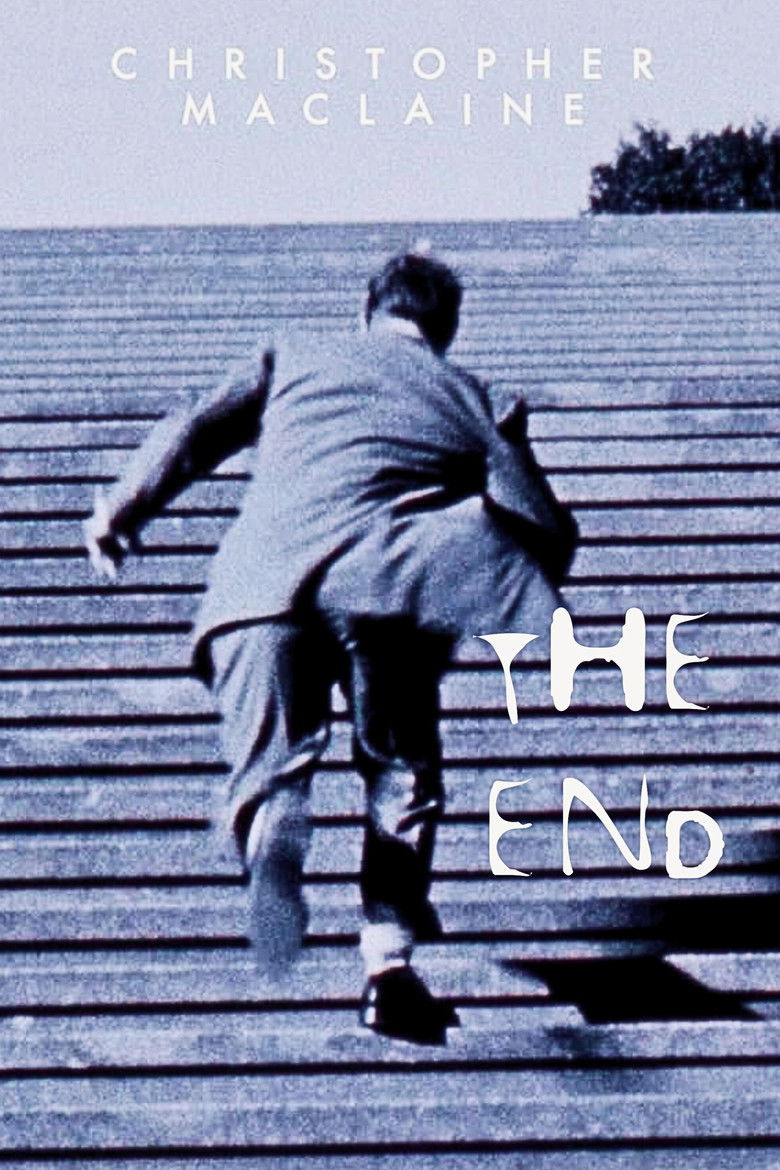
1953
Director
Christopher Maclaine
Runtime
35 minutes
Average Rating
No ratings yetSynopsis
A short film which explores the last day in the lives of six different people.
Overall Score
Fair
Category Breakdown
LGBTQ+ Representation
The film explores unconventional intimacy through Paul, a poet seeking connection in a leper colony. While romantic orientations are not explicitly defined, the subtext suggests a departure from standard heteronormative tropes.
Gender Representation
Characters like the landlady and a young poet appear, but they largely inhabit traditional archetypes. The narrative focuses on individual existential crises rather than deconstructing gendered power dynamics.
Racial & Ethnic Diversity
The film lacks evidence of non-white or non-Anglo-Saxon representation. The urban settings suggest a narrative centered on a homogeneous social fabric typical of 1953 American cinema.
Religious & Cultural Diversity
The film excels by rejecting mid-century moralities and traditional family values. It prioritizes existentialism and moral relativism over religious sanctity or social stability.
Disability Representation
The depiction of leprosy through Paul provides a heavy but central look at chronic illness. The condition drives his search for agency and human connection.
Strengths
Areas for Improvement
AI Analysis
The film functions as an avant-garde critique of social stability rather than a study of demographic variety. It intentionally disrupts mid-century expectations by focusing on themes of suicide, homicide, and terminal illness. While the work lacks racial and gender diversity, it finds strength in its cultural subversion. It replaces traditional redemptive arcs with a postmodern, secular sensibility that prioritizes subjective experience over established Western hierarchies.
2016

1961
1968
1962
1976
1977
1961

2016
1957

2010
1979
2013
No reviews yet. Be the first to share your thoughts on this movie!
Use the rating form above to leave a star rating and optional review.