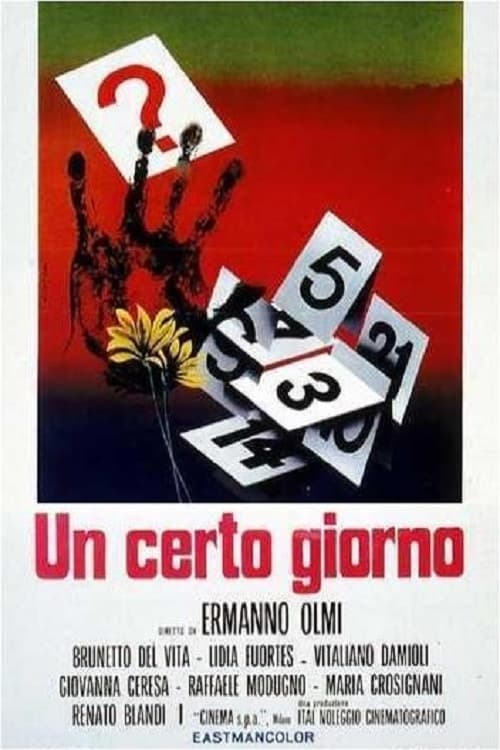
One Fine Day
1968
No user ratings available yet
Representation score: 2.9 out of 10
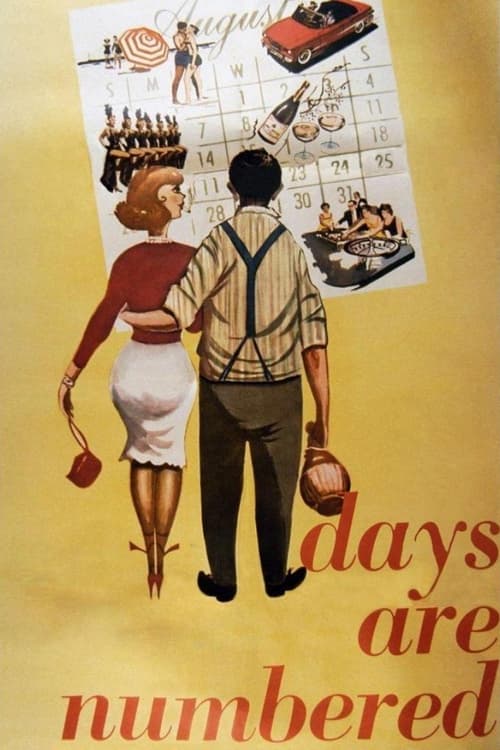
Representation Score
Fair
1962
Director
Elio Petri
Runtime
98 minutes
Average Rating
No ratings yetNew Showbiz Analysis
Elio Petri’s drama is a deeply psychological work that prioritizes existential inquiry over demographic variety. It functions as a critique of the 'stable citizen' cliché, examining how an individual reacts to the sudden realization of mortality. While the film lacks diverse representation, it succeeds in deconstructing the pressures of mid-century capitalism and professional duty. The protagonist's struggle against systemic structures provides a sophisticated social critique, even if the cast remains demographically narrow. Ultimately, the film's strength lies in its philosophical depth. It trades broad social representation for a nuanced exploration of the individual's fight against the rigid expectations of 1960s society.
Category Breakdown
The film focuses on the existential crisis of a middle-aged man and does not include any representation of LGBTQ+ identities or non-assuming gender matches what was assigned at birth narratives.
This character study centers on the psychological state of a male protagonist, reflecting the gendered social expectations of the era without explicitly challenging traditional gender roles.
The film reflects the demographic homogeneity typical of early 1960s European cinema, with a localized experience that does not prioritize diverse racial backgrounds.
The narrative disrupts religious and patriotic certainties by centering on existentialism, prioritizing subjective morality and the individual's internal truth over established social or religious institutions.
Physical vulnerability serves as a catalyst for the plot, with the film treating the character's confrontation with mortality as a profound reality rather than using inspirational stories.
Present on Screen
Limited or Absent
Official Synopsis
A middle-aged plumber quits his job and questions his life after seeing somebody his own age suddenly die from a heart attack on his way to work.
1968
1971
1952
1961
1972

1956
1974
1969
No reviews yet. Be the first to share your thoughts on this movie!
Use the rating form above to leave a star rating and optional review.