Yellow
2018
No user ratings available yet
Representation score: 7.9 out of 10
Representation Score
Excellent
2013
RDirector
Marieka Walsh, Warwick Thornton, Jub Clerc, Robert Connolly, Anthony Lucas, Rhys Graham, Ashlee Page, Tony Ayres, Claire McCarthy, Stephen Page, Shaun Gladwell, Mia Wasikowska, Simon Stone, David Wenham, Jonathan auf der Heide, Justin Kurzel, Ian Meadows
Runtime
180 minutes
Average Rating
No ratings yetNew Showbiz Analysis
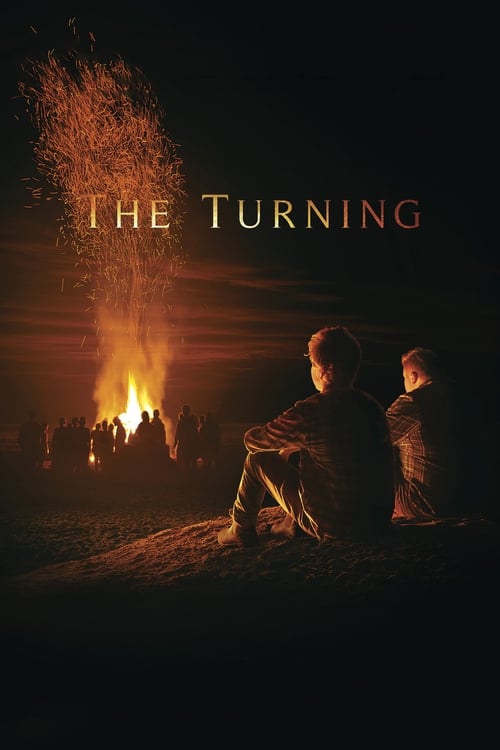
The anthology structure of *The Turning* allows for a fragmented, multi-perspective view of a coastal community. By using seventeen different directors, the film resists a monolithic narrative and instead explores a wide range of human experiences through various subjective lenses. The film's greatest strength lies in its commitment to post-colonial perspectives. By integrating Indigenous storytelling into the core of the film, it provides a necessary counter-narrative to Western-centric dramas, ensuring diverse voices have significant influence. While the film effectively subverts gendered and moral hierarchies, it lacks depth in specific identity-driven arcs. Representation for LGBTQ+ and disability communities remains moderate or neutral, as these themes are not central pillars of the collection.
Category Breakdown
The film does not center LGBTQ+ stories or identity-specific political arcs. While it avoids negative stereotypes, the representation remains moderate without giving these characters much control over their actions.
The film challenges traditional gender roles by focusing on female protagonists. It highlights the psychological instability of both men and women, disrupting expected gender dynamics.
The film stands out by incorporating Indigenous Australian perspectives through directors like Warwick Thornton. This approach gives significant influence to characters of color and challenges the dominance of Anglo-Saxon viewpoints.
The anthology embraces moral relativism and subjective truths. It critiques traditional Western institutions by depicting characters struggling against systemic pressures and rigid societal structures.
The film avoids using physical disability solely as a plot device, focusing instead on psychological trauma. However, it lacks specific narratives addressing neurodivergence or chronic illness.
Present on Screen
Limited or Absent
Official Synopsis
Seventeen talented Australian directors from diverse artistic disciplines each create a chapter of the hauntingly beautiful novel by multi award-winning author Tim Winton. The linking and overlapping stories explore the extraordinary turning points in ordinary people’s lives in a stunning portrait of a small coastal community. As characters face second thoughts and regret, relationships irretrievably alter, resolves are made or broken, and lives change direction forever.
2018
1997
2017

2001
2008
2000

2009
2004
No reviews yet. Be the first to share your thoughts on this movie!
Use the rating form above to leave a star rating and optional review.