
The Battle of Chile: Part I
1975
No user ratings available yet
Representation score: 7.3 out of 10
Representation Score
Fair
2018
PGDirector
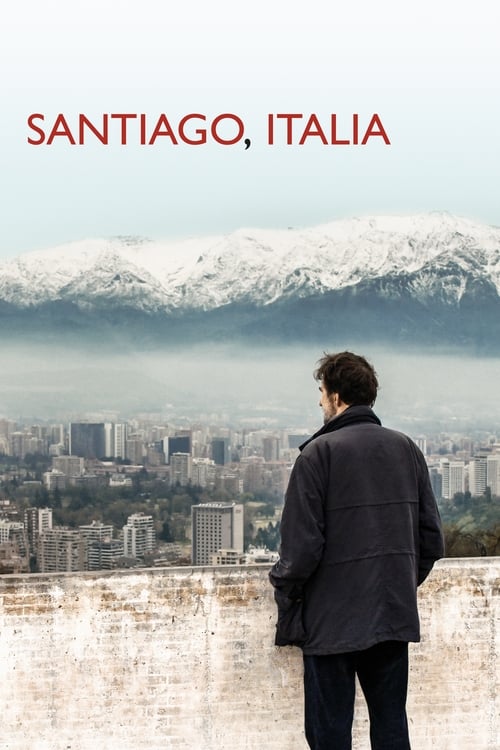
Nanni Moretti
Runtime
80 minutes
Average Rating
No ratings yetNew Showbiz Analysis
Nanni Moretti’s documentary provides a detailed examination of the 1973 Chilean coup through the lens of Italian diplomacy. It successfully shifts the historical perspective away from Eurocentric viewpoints by highlighting the intersection of Latin American struggles and international involvement. The film effectively explores systemic instability and the complexities of political asylum. By focusing on the humanitarian efforts of the Italian embassy, it centers the struggle for survival as a key element of the historical narrative. However, the documentary’s emphasis on institutional and diplomatic processes means it does not engage deeply with specific social identities such as gender or LGBTQ+ issues.
Category Breakdown
The documentary does not include any LGBTQ+ characters or narratives. Its focus is on diplomatic relations and political events during the 1973 Chilean coup.
The film looks at political ability to act through institutional and diplomatic lenses. Although it mentions significant female figures from the Allende era, it does not delve into how these figures challenged gender hierarchies.
By centering the Chilean experience, the film challenges Eurocentric historical perspectives. It emphasizes the roles of non-Anglo-Saxon individuals during a global political crisis.
The narrative focuses on human rights and political ability to act rather than religious or cultural traditions. It critiques traditional power structures by examining the aftermath of a coup and the quest for asylum.
There is no information about the portrayal of physical or neurodivergent disabilities in this documentary.
Present on Screen
Limited or Absent
Official Synopsis
After the coup d'État of the Democratic government of Allende, the embassy of Italy in Santiago played a major role in helping the opposers of the regime, and extradited many of them to Italy.
1975
2020
2017
2017
2011
2012

2021
2019
No reviews yet. Be the first to share your thoughts on this movie!
Use the rating form above to leave a star rating and optional review.