
East Punk Memories
2012
No user ratings available yet
Representation score: 5.6 out of 10
Representation Score
Good
1990
Director
Nanni Moretti
Runtime
60 minutes
Average Rating
No ratings yetNew Showbiz Analysis
Nanni Moretti’s documentary offers a nuanced examination of a changing political landscape. It dismantles traditional gender hierarchies and institutional power structures, presenting neurotic, intellectually driven individuals as the new norm. However, the film’s demographic is narrow, focusing primarily on the white, professional class of Italy. It lacks racial, ethnic, and disability representation, limiting its scope to a specific Eurocentric context. Ultimately, the work prioritizes a sophisticated critique of Western political structures over broad demographic representation.
Category Breakdown
The film centers on personal crises and existential struggles rather than explicit LGBTQ+ identity politics. It does not explore non-traditional gender roles or sexual orientations.
The film challenges traditional masculine authority by depicting characters as emotionally vulnerable. It avoids the stereotype of the stable male leader, emphasizing the intellectual and emotional complexity of both men and women.
The cast is predominantly white, reflecting the Eurocentric intellectual class of 1989 Italy. The narrative does not incorporate non-white perspectives into its exploration of political identity.
The documentary effectively critiques established Western institutions through the lens of political chaos. It highlights the fluid nature of truth in chaotic debates rather than rigid ideologies.
The film does not feature characters with visible or invisible disabilities. The focus is on the psychological and political issues faced by the professional class.
Present on Screen
Limited or Absent
Official Synopsis
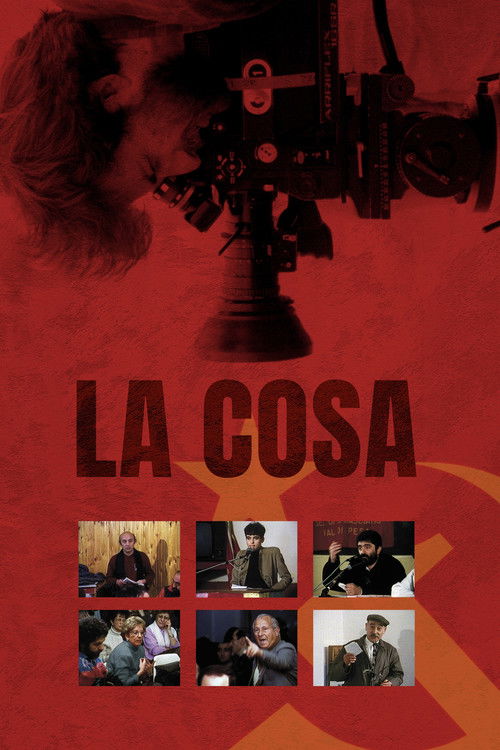
1989. Amid the collapse of the Eastern Bloc, the largest communist party in Western Europe—Italy's PCI—announces that it'll change its name, vowing to become 'a new thing'. The film follows the debates taking place in various PCI branches across Italy in the aftermath of this historic decision.
2012

1989
2009
2017
2014
2019
1993
2015
No reviews yet. Be the first to share your thoughts on this movie!
Use the rating form above to leave a star rating and optional review.