The Blonds
2003
No user ratings available yet
Representation score: 6.7 out of 10
Representation Score
Fair
2008
PG-13Director
Peter Sanders
Runtime
96 minutes
Average Rating
No ratings yetNew Showbiz Analysis
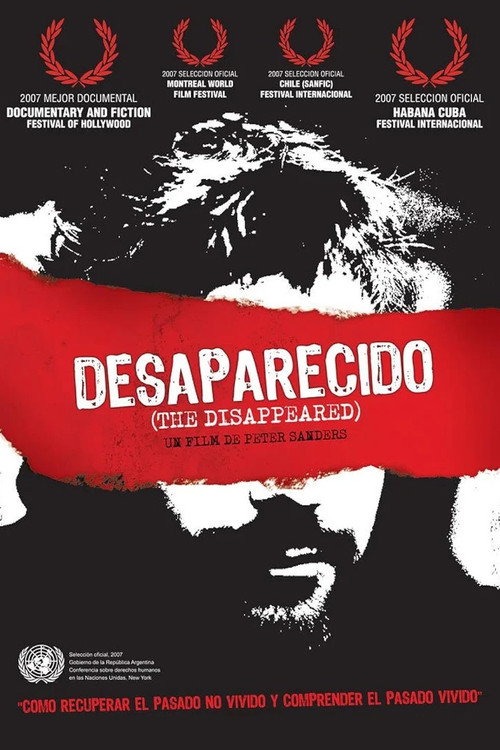
The Disappeared is a compelling exploration of the lived experiences of victims during the military dictatorship. By focusing on Horacio Pietragalla’s personal journey, the film dismantles state-sanctioned myths and highlights the resilience of those reclaiming their ability to act. The documentary effectively deconstructs institutional authority, particularly regarding the military and religious institutions, offering a nuanced, testimonial approach to truth. However, it lacks representation for LGBTQ+ identities and specific disability narratives.
Category Breakdown
The film does not include any specific LGBTQ+ narratives or characters with non-traditional gender identities.
Women are shown as active political agents and investigators, challenging traditional gender roles where women are often seen as passive mourners.
The documentary highlights various socioeconomic and ethnic backgrounds affected by the regime, showing a range of social classes from the working class to the political elite.
The film critiques traditional institutional power and the complex, sometimes complicit roles of religious institutions in supporting the regime.
There is no specific mention of physical or neurodivergent disabilities in the film.
Present on Screen
Limited or Absent
Official Synopsis
"The Disappeared" relives the horrors of Argentina's Dirty War (1976-83) through the experience of Horacio Pietragalla, a young man raised by the maid of the officer who kidnapped him after the military brutally murdered his parents. The film follows Horacio as he reconstructs the cause for which his real parents gave their lives, and, through this search, reclaims his true identity. This personal journey internalizes the tragedy that ravaged the country for seven years and exposes polarized views on state-driven terrorism in groundbreaking interviews with top military officials, concentration camp victims, human rights activists, journalists who covered the events, and members of Horacio's surrogate and biological families.
2003
2010
2009
1985
2008
2011
2008
2014
No reviews yet. Be the first to share your thoughts on this movie!
Use the rating form above to leave a star rating and optional review.