O Sonho de Rose: 10 Anos Depois
2000
No user ratings available yet
Representation score: 6.6 out of 10
Representation Score
Fair
1977
Director
Thomas Harlan
Runtime
139 minutes
Average Rating
No ratings yetNew Showbiz Analysis
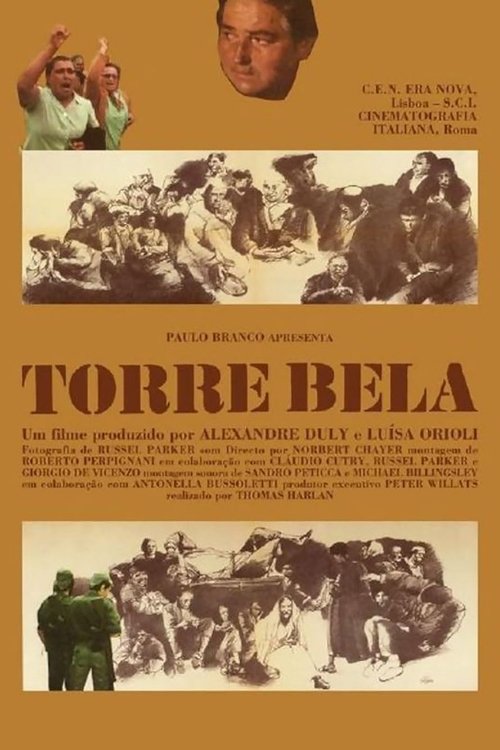
Torre Bela serves as a direct, unfiltered account of the Portuguese rural working class. It prioritizes the voices of underrepresented workers over traditional cinematic hierarchies, emphasizing systemic socio-political changes. The film excels in its cultural critique, using the rise and fall of a cooperative movement to challenge capitalist structures. By highlighting the struggles of the working class, it provides significant narrative ability to act. However, the documentary lacks representation in several identity-based categories. There is no visible focus on LGBTQ+ identities or disability, leaving those aspects unaddressed.
Category Breakdown
The film does not include any explicit LGBTQ+ characters or non-straight relationships. The narrative focuses solely on class struggle and land reform.
The film highlights the lives of uneducated rural workers, likely including women in communal roles. However, there are no detailed character arcs specifically for women.
The story centers on the internal dynamics of the Portuguese rural working class, a demographic often sidelined by dominant political narratives.
The film offers a strong critique of traditional property ownership and the landed gentry. It documents the transition from a revolutionary cooperative to a private hunting reserve.
There is no documented evidence of physical or neurodivergent disabilities being portrayed in the film.
Present on Screen
Limited or Absent
Official Synopsis
The rise and fall of a revolutionary cooperative movement established in a large private farm in Ribatejo, Portugal, from March to December 1975 (most part of the land occupations occurred in Alentejo, promoted by the communist party). In direct speech, sometimes to the camera, sometimes among themselves, the uneducated rural workers expose their misery, their suffering, their hopes, and ultimately their despair - when a socialist government orders the restitution of the land to their primitive owners, and these transform the land into a hunting reserve.
2000

1977

1959

1977
1974
2012
1964
2010
No reviews yet. Be the first to share your thoughts on this movie!
Use the rating form above to leave a star rating and optional review.