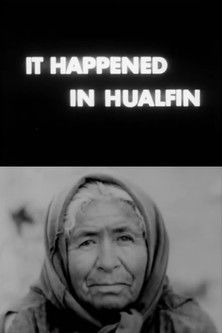
It Happened in Hualfin
1965
No user ratings available yet
Representation score: 4.9 out of 10
Representation Score
Good
1964
Director
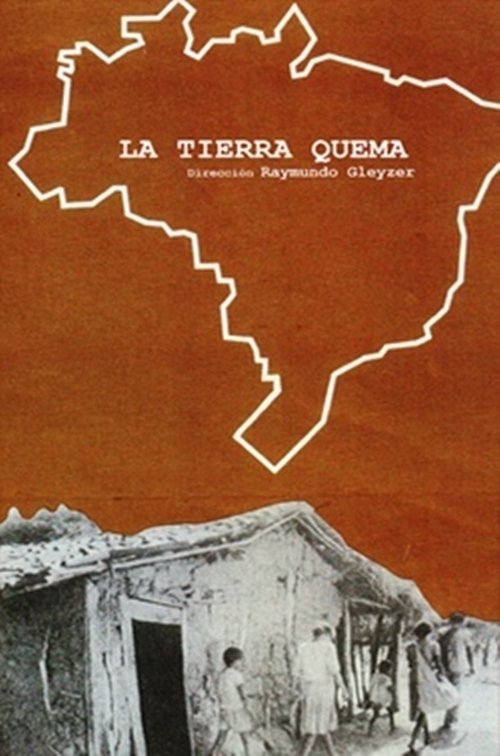
Raymundo Gleyzer
Runtime
12 minutes
Average Rating
No ratings yetNew Showbiz Analysis
The Land Burns serves as a powerful cinematic interrogation of agrarian struggle and systemic exploitation in rural Brazil. By shifting focus from individual heroes to a collective socio-economic critique, the film disrupts traditional power structures. Its strength lies in its commitment to decolonization and the elevation of underrepresented subjects. The film effectively uses the camera to validate the presence of those often ignored by mainstream 1960s cinema. While the film excels at structural critique and racial representation, it lacks specific focus on individual identity politics such as LGBTQ+ or disability representation. It remains primarily a tool for social and class-based transformation.
Category Breakdown
The documentary focuses on the material conditions of rural laborers. There is no explicit evidence regarding the depiction of non-straight relationships within the film's class-based narrative.
The film challenges traditional hierarchies by centering the survival of the rural working class. It highlights how systemic poverty affects the entire family unit and the role of women.
The film centers the lived experiences of the Brazilian rural populace, including Afro-Brazilian and Indigenous populations. It validates the ability to act of non-Anglo-Saxon subjects through its lens.
The narrative is deeply critical of Western-aligned economic structures. It frames agrarian struggle as a systemic consequence of land distribution and capitalist exploitation rather than personal failure.
There is no specific evidence regarding the portrayal of characters with physical or neurodivergent disabilities in the provided synopsis.
Present on Screen
Limited or Absent
Official Synopsis
A short film describing the bleak reality of life in the rural regions in Brazil through the story of thirty-five-year-old farmer Juan Amaro.
1965
1963

1971

1977
1971
2000
1976
2009
No reviews yet. Be the first to share your thoughts on this movie!
Use the rating form above to leave a star rating and optional review.