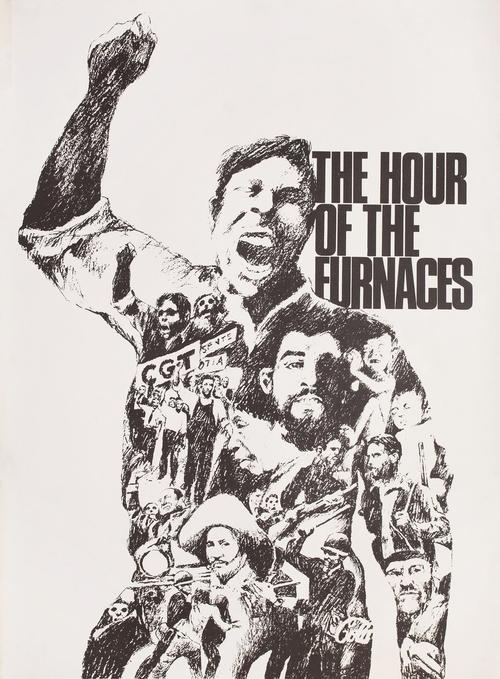
The Hour of the Furnaces
1968
No user ratings available yet
Representation score: 4.0 out of 10

Representation Score
Fair
1977
Director
Robert Kramer, Philip J. Spinelli
Runtime
96 minutes
Average Rating
No ratings yetNew Showbiz Analysis
This documentary serves as a study of systemic disruption rather than a character-driven exploration of intersecting identities. It prioritizes the collective struggle of labor groups and peasants against the Salazar regime. The film effectively dismantles traditional authority and religious hierarchies through an anti-imperialist lens. However, it lacks specific visibility for individual identity markers such as LGBTQ+ or disability representation. Ultimately, the work is defined by its sociopolitical architecture, focusing on class-based empowerment and the deconstruction of oppressive state institutions.
Category Breakdown
The film does not provide explicit information about non-binary or LGBTQ+ identities. The archival footage emphasizes collective class identity over individual identity politics.
The story focuses on peasants and the working class, which includes women. It highlights women's ability to drive the story within the revolutionary struggle, suggesting a disruption of patriarchal hierarchies.
The film concentrates on internal Portuguese class dynamics. While it analyzes colonial forces, the primary demographic remains largely homogeneous.
The documentary challenges Western institutional frameworks, critiquing state, capitalist, and religious hierarchies. It elevates the ability to act of the underrepresented working class through an anti-imperialist lens.
There is no clear representation of physical or neurodivergent disabilities. The focus remains on macro-sociopolitical movements and labor struggles.
Present on Screen
Limited or Absent
Official Synopsis
Combining newsreel footage, still photographs, interviews, and analytical narration, this documentary focuses on the antifascist, anti-imperialist efforts of labor groups, peasants, and working-class soldiers to liberate Portugal from the control of the government of Antonio de Oliveira Salazar.
1968
2017
1977

2013

1981
2015
2006

1976
No reviews yet. Be the first to share your thoughts on this movie!
Use the rating form above to leave a star rating and optional review.