Torre Bela
1977
No user ratings available yet
Representation score: 5.3 out of 10
Representation Score
Good
2000
Director
Tetê Moraes
Runtime
92 minutes
Average Rating
No ratings yetNew Showbiz Analysis
Tetê Moraes delivers a powerful social documentary that centers the active role of underrepresented rural populations and working-class families. By documenting the transition from tent encampments to successful small-scale farming, the film challenges established landholding hierarchies and systemic socioeconomic inequities. The film excels at disrupting conventional power dynamics through its focus on collective resistance. It provides a platform for voices frequently excluded from mainstream Brazilian historical accounts, framing the struggle for land as a legitimate reclamation of ability to act. While the film is strong in its social and cultural critique, it lacks specific representation regarding LGBTQ+ identities and disability. The narrative remains primarily focused on the socioeconomic and political dimensions of the landless movement.
Category Breakdown
The film focuses on the socioeconomic struggles of landless laborers. There is no explicit evidence of LGBTQ+ characters or narratives that challenge the assumption that everyone is straight or cisgender.
The documentary highlights the active role of women in the landless movement. It portrays them as key players in political and economic restructuring rather than passive subjects.
The film provides visibility to rural, working-class Brazilian populations. It centers a diverse collective of families, disrupting traditional depictions of elite-driven land ownership.
The narrative critiques traditional capitalist structures and large-scale landholdings. It prioritizes communal survival and agrarian reform over Western notions of private property and capital accumulation.
There is no specific evidence regarding the portrayal of individuals with physical or neurodivergent disabilities in this work.
Present on Screen
Limited or Absent
Official Synopsis
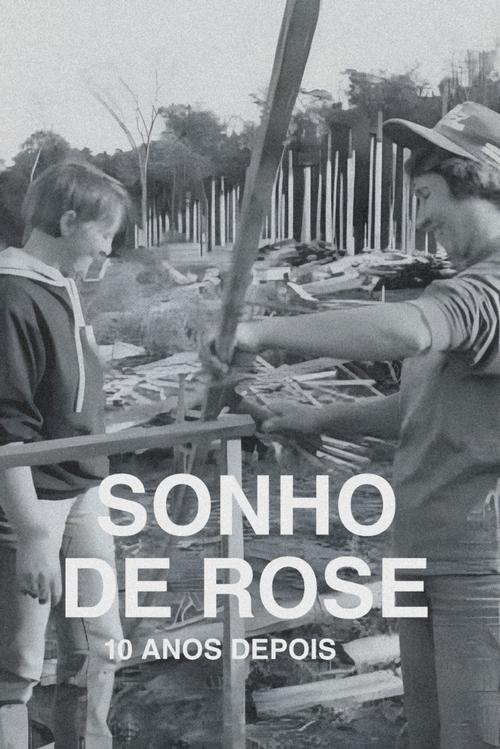
Documentary depicting what happened to the characters in the film Terra para Rose, made by the same director. Shows the life of some 1500 families of landless rural laborers who, for the first time in 1985, occupied an unproductive large landholding, the Annoni plantation in Rio Grande do Sul. After camping out for years in tents, facing down the police and negotiating with the government, the former landless laborers have managed to turn their dream into reality, and are now successful small farmers.
1977

2000
1964
1963

2006

2009

1982

1959
No reviews yet. Be the first to share your thoughts on this movie!
Use the rating form above to leave a star rating and optional review.