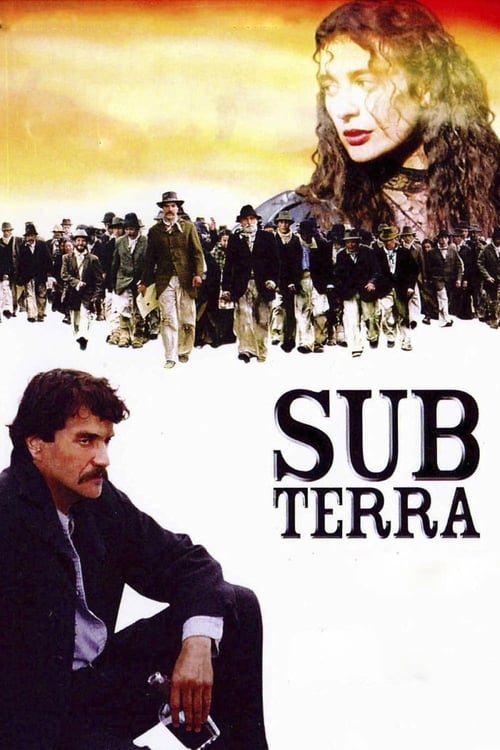
Sub terra
2003
No user ratings available yet
Representation score: 5.2 out of 10
Representation Score
Fair
1993
RDirector
Claude Berri
Runtime
160 minutes
Average Rating
No ratings yetNew Showbiz Analysis
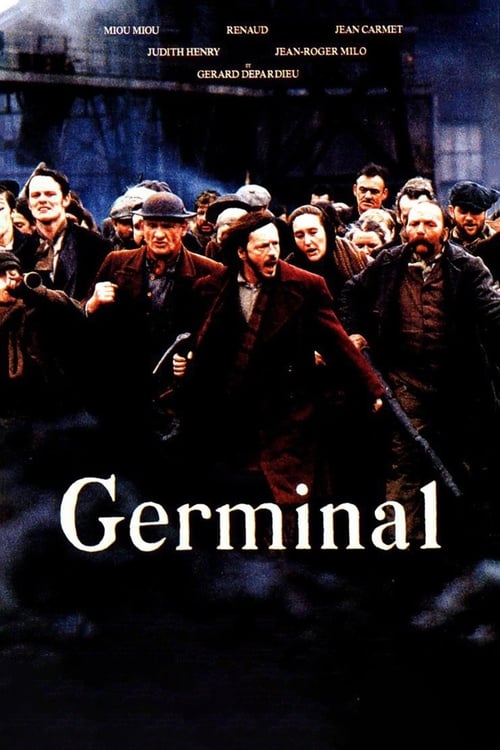
Claude Berri’s adaptation is a thorough study of class struggle and systemic issues. It excels in its cultural critique, presenting the conflict between workers and the state as a sophisticated look at power dynamics and institutionalized inequality. However, the film is limited by its historical setting, leading to a lack of modern racial and LGBTQ+ representation. The narrative stays true to the ethnic and gender norms of 19th-century France. Ultimately, the film prioritizes a deep analysis of systemic issues over modern demographic diversity.
Category Breakdown
The film follows strict 19th-century social realism and does not include any non-straight or non-cisgender identities or same-sex relationships.
Men dominate the industrial work while women handle the domestic duties. Despite this, women are shown to have significant roles and resilience in the face of starvation and instability.
The cast reflects the specific ethnic makeup of a 19th-century French mining community, lacking modern racial diversity.
The story critiques industrial capitalism and systemic oppression, showing the working class fighting back against exploitative institutions.
Physical deterioration is shown as a result of industrial exploitation. The film uses the miners' struggles as a metaphor for the systemic pressures on the human body.
Present on Screen
Limited or Absent
Official Synopsis
It's mid 19th century, north of France. The story of a coal miner's town. They are exploited by the mine's owner. One day the decide to go on strike, and then the authorities repress them.
2003

1963
1982

1958
1962
1954
1945
1987
No reviews yet. Be the first to share your thoughts on this movie!
Use the rating form above to leave a star rating and optional review.