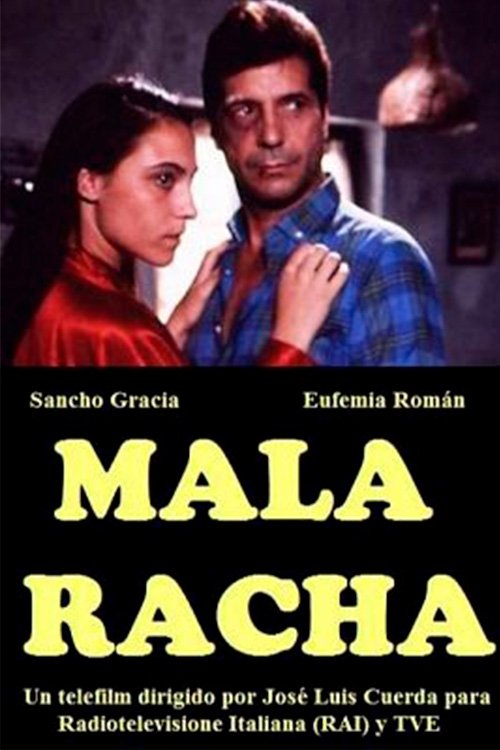
Mala Racha
1977
No user ratings available yet
Representation score: 2.0 out of 10

Representation Score
Good
1972
Director
Jose Luis Ibañez
Average Rating
No ratings yetNew Showbiz Analysis
Victoria is shaped by the specific time and place of 1970s Spain, reflecting the social conditions of that era. Its strength lies in its experimental approach to drama, which challenges traditionalist social frameworks through psychological exploration. However, the film lacks clear markers of diverse representation. The demographic uniformity of the era limits racial and ethnic diversity, and the narrative focus remains largely internal. Ultimately, the film functions as a psychological study that challenges mainstream conventions through surrealism and non-traditional structures rather than overt social representation.
Category Breakdown
The film touches on themes of hidden desires and unconventional social behavior. While direct depictions are not confirmed, the story emphasizes the ambiguity of human connections.
The drama likely focuses on female experiences and explores the complexities of women's roles. It serves as a critique of the strict patriarchal structures prevalent in 1970s Spain.
The cast likely mirrors the demographic uniformity of 1972 Spain. The film prioritizes internal character dynamics over external racial or ethnic diversity.
The work questions singular moral standards through subjective and surreal perspectives. It favors fragmented human truths over traditional institutional stability.
There is no clear depiction of characters with visible or invisible disabilities. Psychological instability may serve as a thematic device rather than a representation of individual ability to act.
Present on Screen
Limited or Absent
1977
1976

1971
1983

1977

1962

1972
1977
No reviews yet. Be the first to share your thoughts on this movie!
Use the rating form above to leave a star rating and optional review.