
Street Scenes 1970
1970
No user ratings available yet
Representation score: 4.3 out of 10
Representation Score
Fair
2015
TV-PGDirector
Jonathan Halperin
Runtime
56 minutes
Average Rating
No ratings yetNew Showbiz Analysis
The documentary serves as a historical interrogation of institutional stability during a period of intense sociopolitical upheaval. It prioritizes the study of state power versus student activism, specifically surrounding the Kent State shootings and the Nixon administration. While the film excels at deconstructing traditional power structures and examining systemic friction, it lacks a clear focus on identity-based representation. The narrative architecture is built upon political disruption rather than the exploration of specific underrepresented identities. Ultimately, the work functions as a cultural analysis of the erosion of American consensus. It captures the volatility of the era but remains centered on the broader mechanics of civil unrest and institutional collapse.
Category Breakdown
The film focuses on the political unrest of the Vietnam War era and the Kent State tragedy. It does not explicitly address LGBTQ+ identities or narratives within its primary historical scope.
The narrative centers on masculine-coded conflicts like war and campus protests. There is no evidence of a specific focus on women's ability to drive the story or the subversion of gender hierarchies.
The documentary examines a period of profound systemic tension. It likely engages with the racial tensions and civil rights movements defining the era, though specific character details are absent.
The film offers high engagement with themes of institutional critique. It challenges the stability of traditional Western institutions by documenting the mayhem and divisiveness of the Nixon era.
There is no evidence regarding the portrayal of physical or neurodivergent disabilities within the film's historical overview.
Present on Screen
Limited or Absent
Official Synopsis
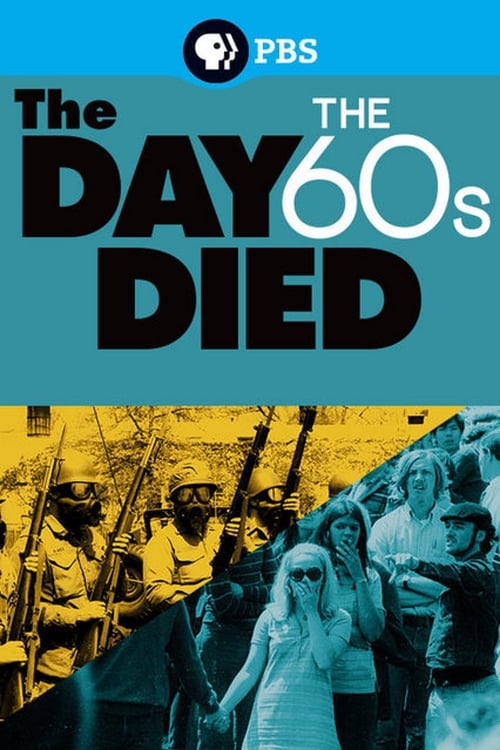
The Day the '60s Died chronicles May 1970, the month in which four students were shot dead at Kent State. The mayhem that followed has been called the most divisive moment in American history since the Civil War. From college campuses, to the jungles of Cambodia, to the Nixon White House, the film takes us back into that turbulent spring 45 years ago.
1970
2012
1990

2015

1968

2013
1979
2017
No reviews yet. Be the first to share your thoughts on this movie!
Use the rating form above to leave a star rating and optional review.