
Harlan County U.S.A.
1977
No user ratings available yet
Representation score: 6.9 out of 10
No Poster Available
Representation Score
Fair
1970
BtlDirector
Margareta Vinterheden, Alf Israelsson
Runtime
73 minutes
Average Rating
No ratings yetNew Showbiz Analysis
Gruvstrejken 69/70 serves as a historical study of systemic friction rather than a study of individual identity. It replaces the traditional hero's journey with a narrative of collective ability to act, centering the striking workforce against corporate authority. The film's strength lies in its socio-economic critique. By documenting the tension between industrial staff and miners, it deconstructs power dynamics and highlights the importance of grassroots movements within a specific regional context. However, the work is limited by its era and subject matter. It lacks broad representation of diverse identities, focusing almost exclusively on class conflict within a homogeneous Swedish demographic.
Category Breakdown
The film does not include explicit LGBTQ+ characters or narratives. Instead, it focuses on the socio-economic struggles of a 1970 mining community, emphasizing class-based conflicts over identity-based representation.
The primary ability to act in the film is held by the male-dominated mining workforce. However, the film also includes the local community, offering a glimpse into the domestic sphere and women's roles during the strike.
The documentary reflects the demographic reality of Norrbotten in 1970, which is largely homogeneous. The narrative focuses on a localized Swedish setting without significant racial or ethnic blending.
The film excels by critiquing Western industrial capitalism. It frames the strike as a disruption of corporate hegemony, prioritizing collective worker ability to act over established capitalist hierarchies.
There is no specific evidence regarding the portrayal of physical disabilities or neurodivergence. The film centers on the industrial and social aspects of the labor movement.
Present on Screen
Limited or Absent
Official Synopsis
About the mining strike at LKAB in Norrbotten 1969/70. Snapshots, moods, meetings, strikes, corporate staff and the local community.
1977
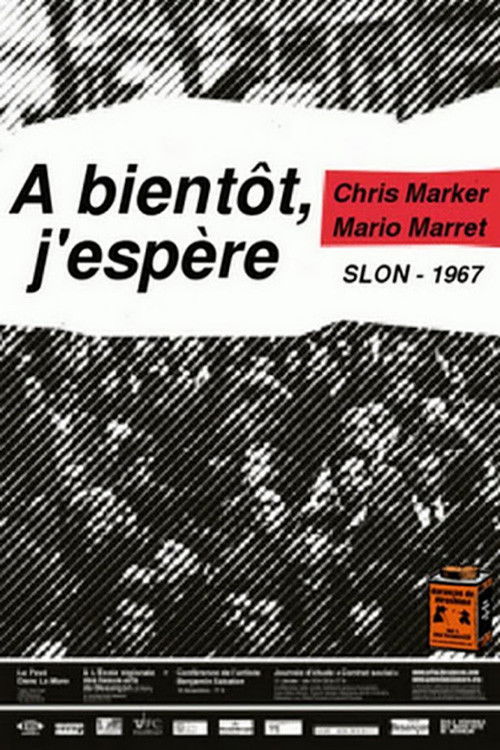
1968
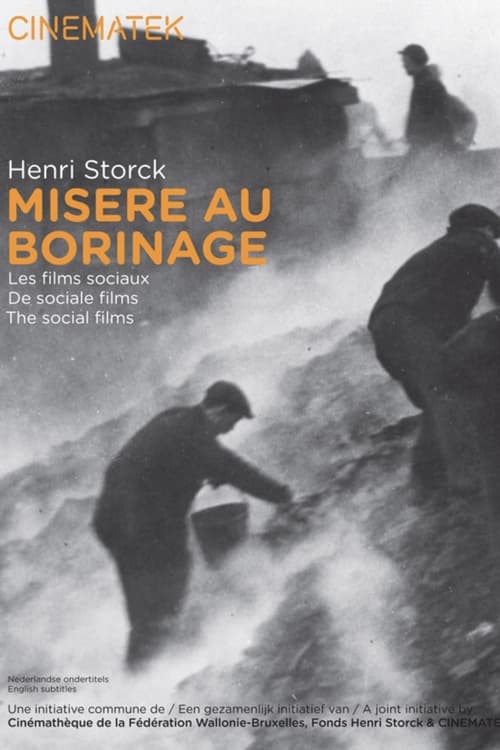
1934
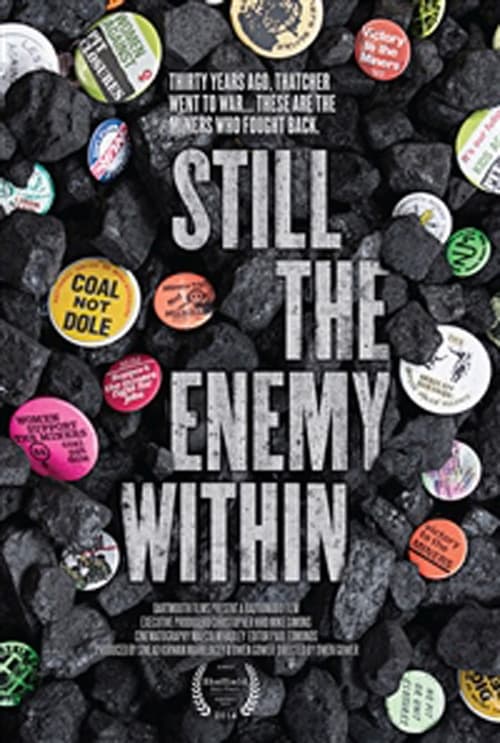
2014
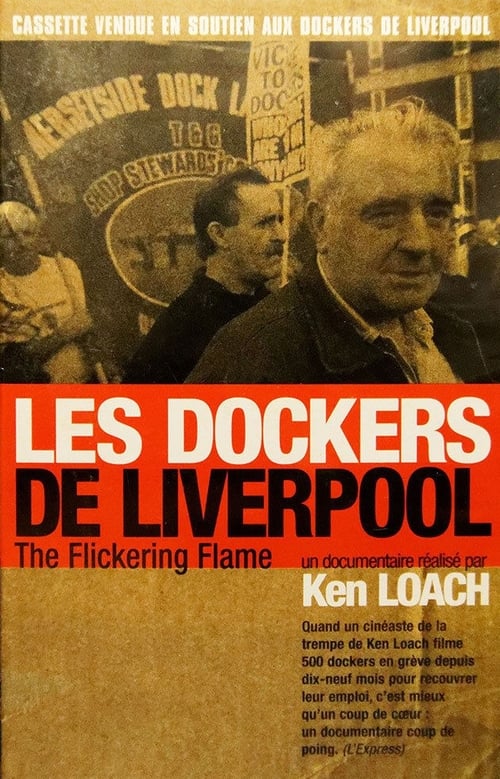
1996
2006
1910
1990
No reviews yet. Be the first to share your thoughts on this movie!
Use the rating form above to leave a star rating and optional review.